
A leaf fell into the pot
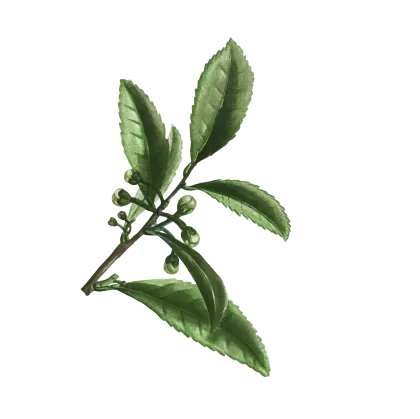
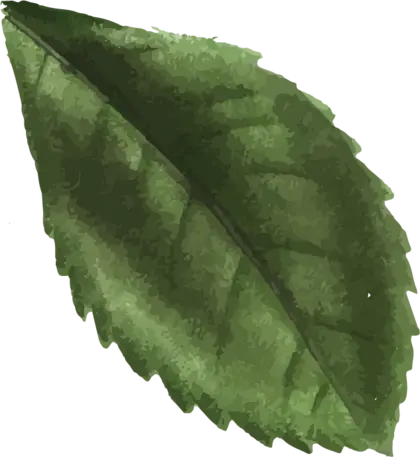
The healer emperor Shennong was boiling water in his garden when a leaf from a wild tea bush fell into the pot. He liked the brew. The same tradition credits him with the plough and all of Chinese farming.
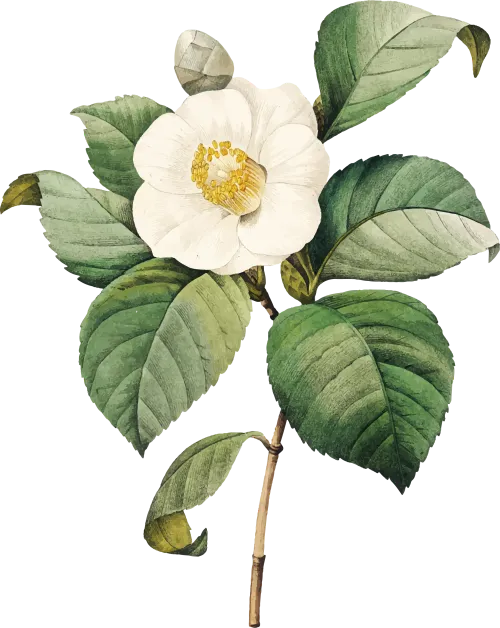
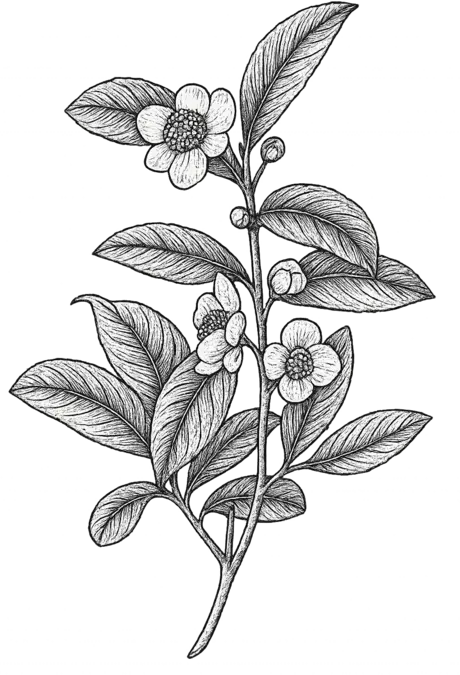
White, green, yellow, oolong, red and dark: all six come from the leaf of one and the same bush, Camellia sinensis. The only thing that changes is what is done with the leaf after it is picked.
scroll down: the leaf
shows you the difference
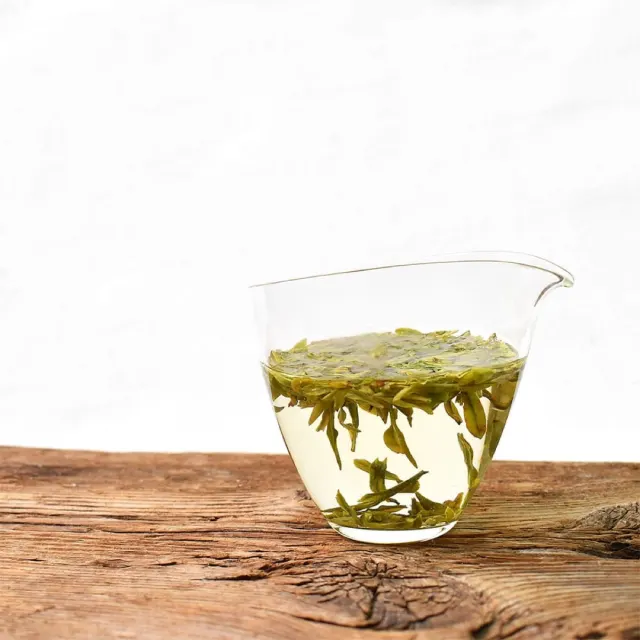

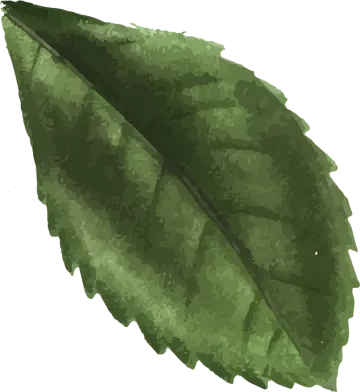
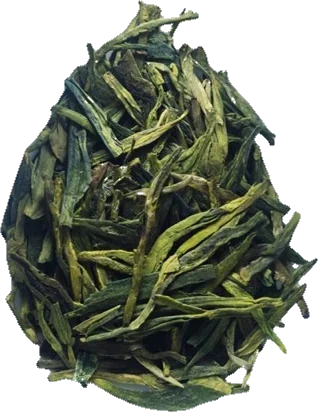
The leaf spends less than a minute over strong heat to “kill the green”: in China almost always in a wok, in Japan with steam. The enzymes die, there is almost no oxidation and the leaf stays green.
The world of green tea →The rarest of the six. The warm leaf is wrapped in cloth or paper and left in heat and humidity for one to three days. The grassy edge goes away, the taste turns softer and sweeter, and both leaf and infusion turn yellow.
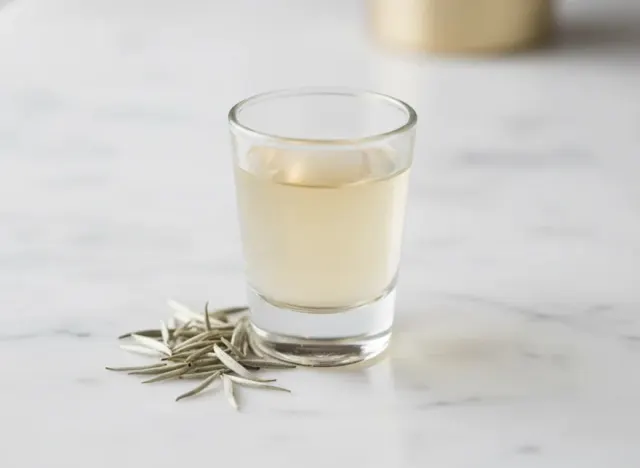
The least processed of all: no “killing the green” and no rolling. The buds and leaves wither slowly in the air and oxidize just a little, on their own: that is where the notes of honey and hay come from.
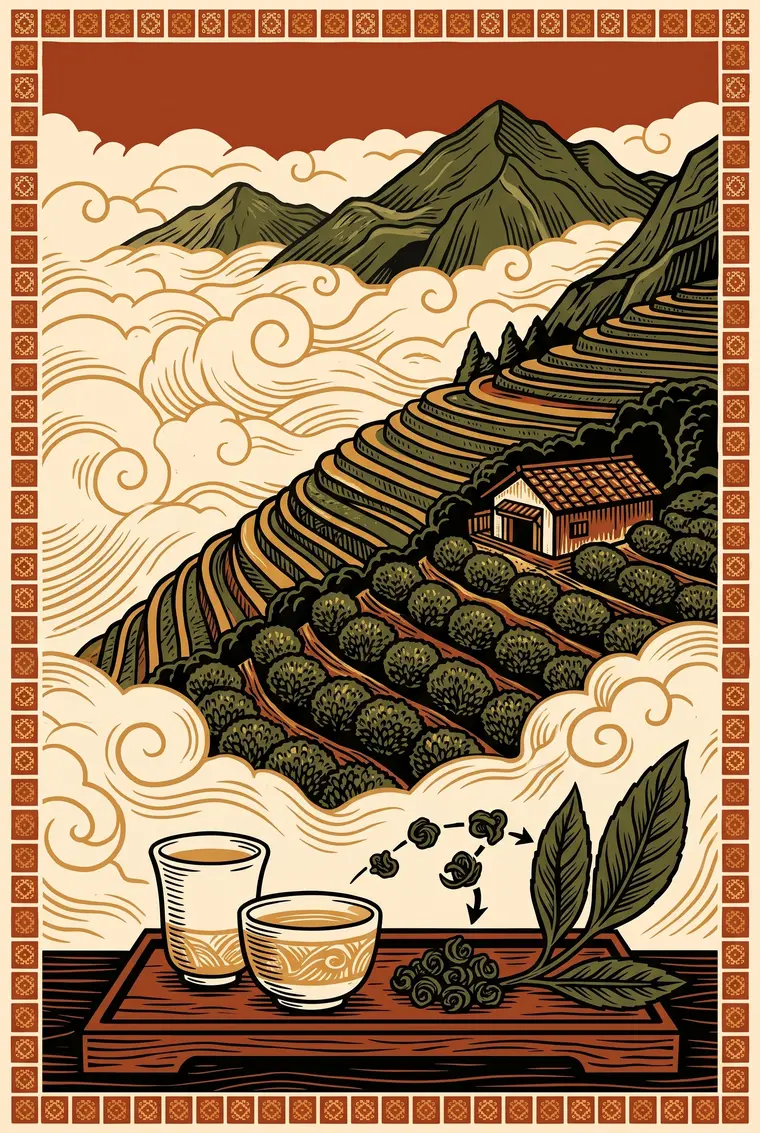
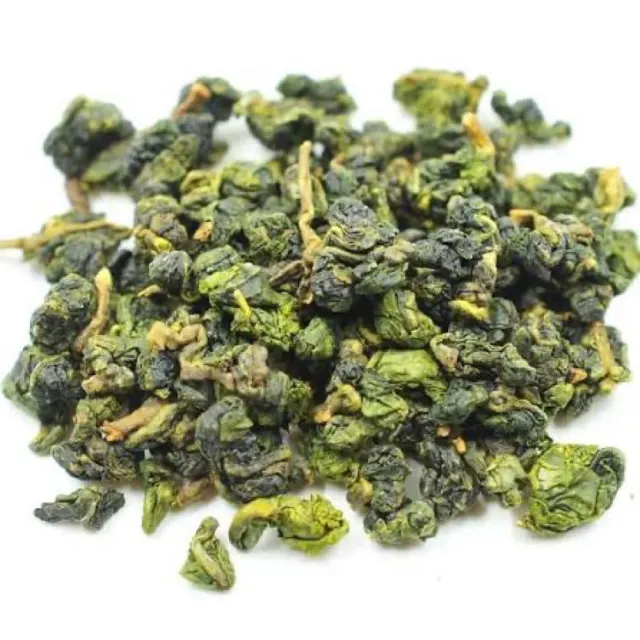
The world of white tea →The leaf is tossed and rolled so its edges get bruised: wherever a cell breaks, oxidation begins. It is stopped at just the right moment; that is why some oolongs are almost green and others almost red.
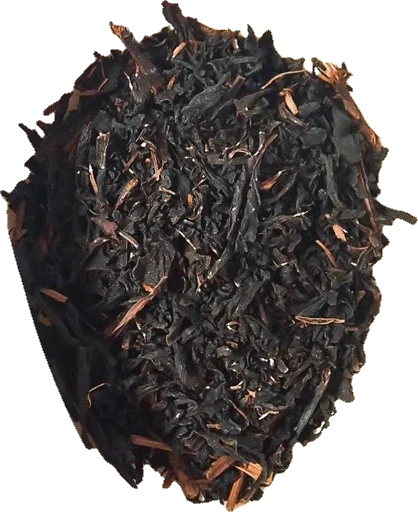
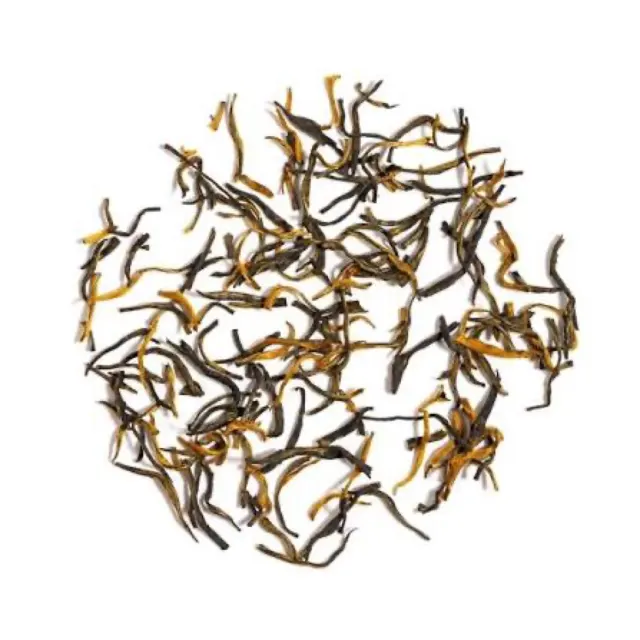
The world of oolong →In Europe it is called black tea. Rolling breaks the cells, the juice meets the air and oxidation goes all the way: the longer it lasts, the darker the leaf and the infusion.
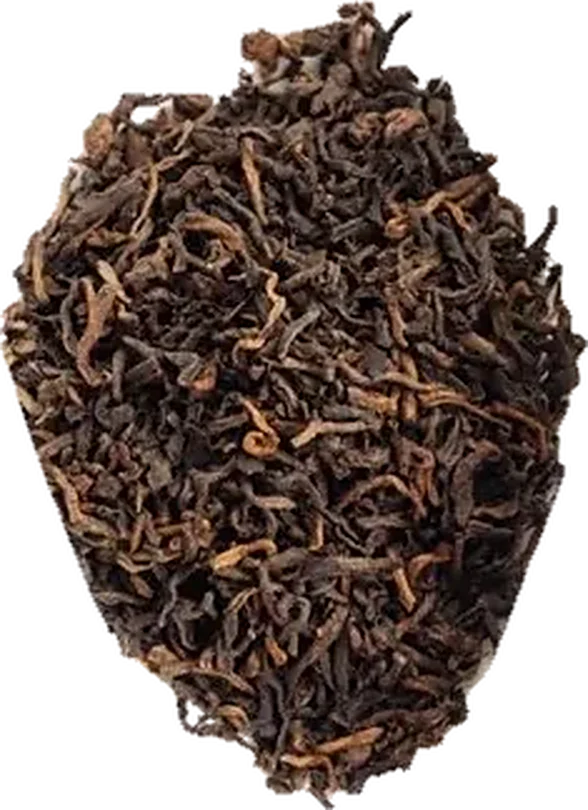
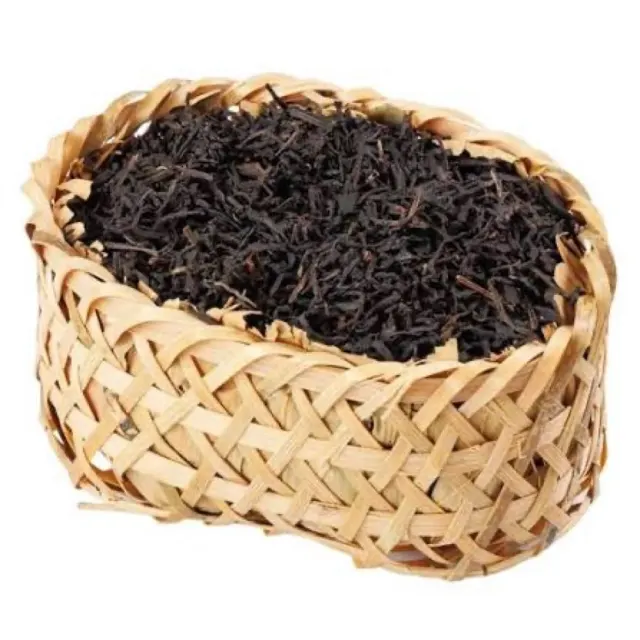
The world of red tea →The only tea with true fermentation: fungi, bacteria and yeasts do the work. Sheng pu-erh ages on its own, over years and decades; shu is sped up in a wet pile, from 45 days to three months.
The world of pu-erh →The leaf darkens on its own, through its own enzyme, when its cells meet oxygen. It is the same thing that happens to a cut apple left on the table. This applies to white, green, yellow, oolong and red tea.
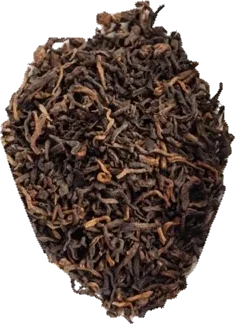 45–90days in the pileShu Puer 熟普洱 →
fungi and bacteria worked here
45–90days in the pileShu Puer 熟普洱 →
fungi and bacteria worked here
Fermentation in the strict sense is the work of fungi, bacteria and yeasts, without oxygen. In tea it really only happens in dark tea and shu pu-erh.
“Fermented oolong” is a habit of language, not chemistry: the word stuck, but it isn’t accurate.
In 1973, in Yunnan, they study the Cantonese method of wet storage, which was used to imitate aging. In 1975 the first good batch comes out, and mass production starts right away. The loose leaf is heaped into a pile almost a metre high, moistened and turned: from 45 days to three months.
The healer emperor Shennong was boiling water in his garden when a leaf from a wild tea bush fell into the pot. He liked the brew. The same tradition credits him with the plough and all of Chinese farming.
In the mausoleum of Emperor Jing of Han, near Xi'an, they found tea remains with theanine, a substance only the tea bush has. It is older than any written text about tea; the find was published in 2016.
Lu Yu writes the “Cha Jing”, “The Classic of Tea”: three scrolls about its origin, the utensils — 24 pieces — and how to prepare it. Before that, tea was boiled like soup, with onion, ginger and salt; Lu Yu called it “ditch water”.
The pressed cake is ground and whisked with a bamboo whisk. At court, “tea contests” are judged by how white and firm the foam is; Emperor Huizong writes his own treatise and acts as judge.
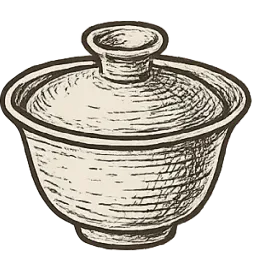
Emperor Hongwu abolishes tea cakes as tribute to the court. China switches to loose leaf, and in the Wuyi mountains, working with it, people arrive at partial and full oxidation: that is how oolong and red tea are born. The loose leaf calls for new teaware, and the gaiwan appears.
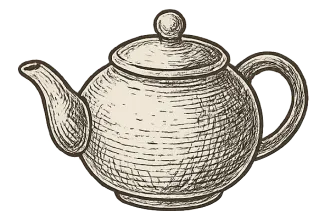
The first commercial shipment is brought by the Dutch East India Company. At first it is a rare luxury; regular shipments begin in 1637.
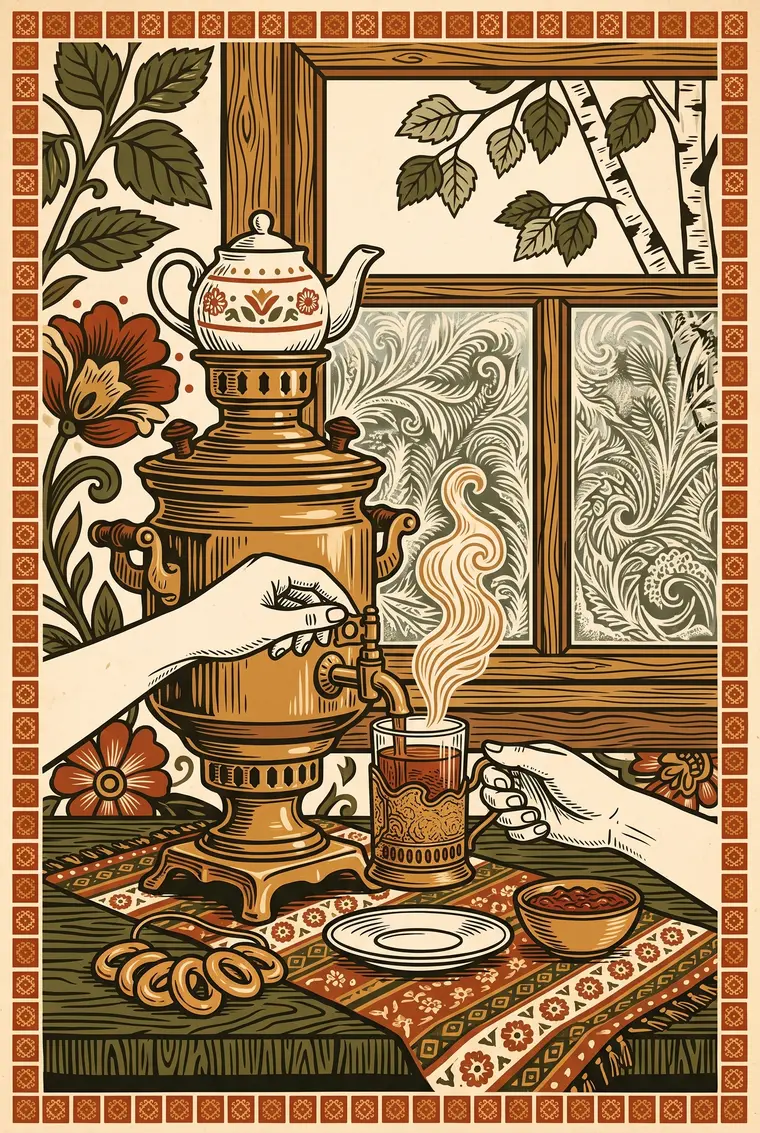
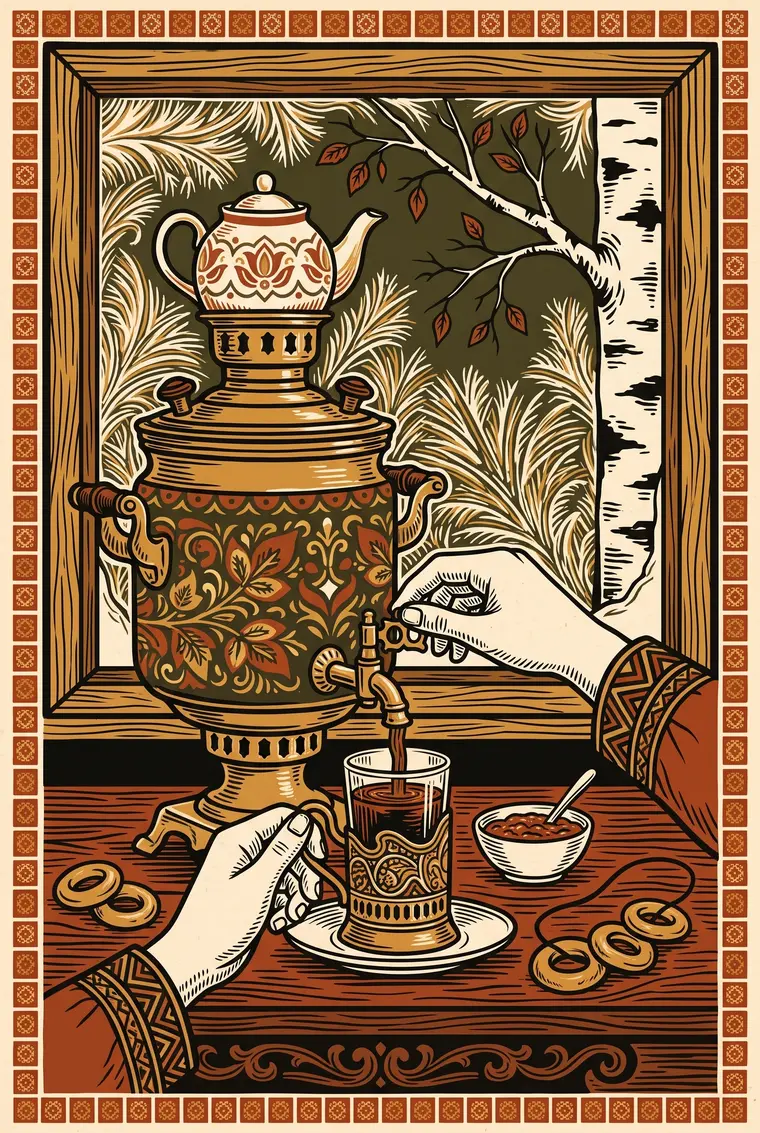
Ambassador Vasily Starkov brings Tsar Michael a gift from the Mongol Altan Khan: four poods of tea. The envoys asked for sable furs instead; the khan insisted. After the Treaty of Kyakhta in 1727, tea enters Russia through the Kyakhta border for almost two centuries.
Colonists disguised as Native Americans throw 342 chests of East India Company tea into Boston Harbor, protesting taxation without representation. One of the pushes toward the American Revolution.
Scotsman Robert Fortune, disguised as a Chinese man, slips into China, then closed to foreigners, and takes more than 20,000 tea plants and seedlings to India. Within his own lifetime, India overtakes China in tea production.
Sailing ships race to London with the first harvest. The “Cutty Sark” is in the lead, but past the Sunda Strait she loses her rudder in a storm and arrives seven days after the “Thermopylae”. The Suez Canal and steamships soon end the age of the clippers.
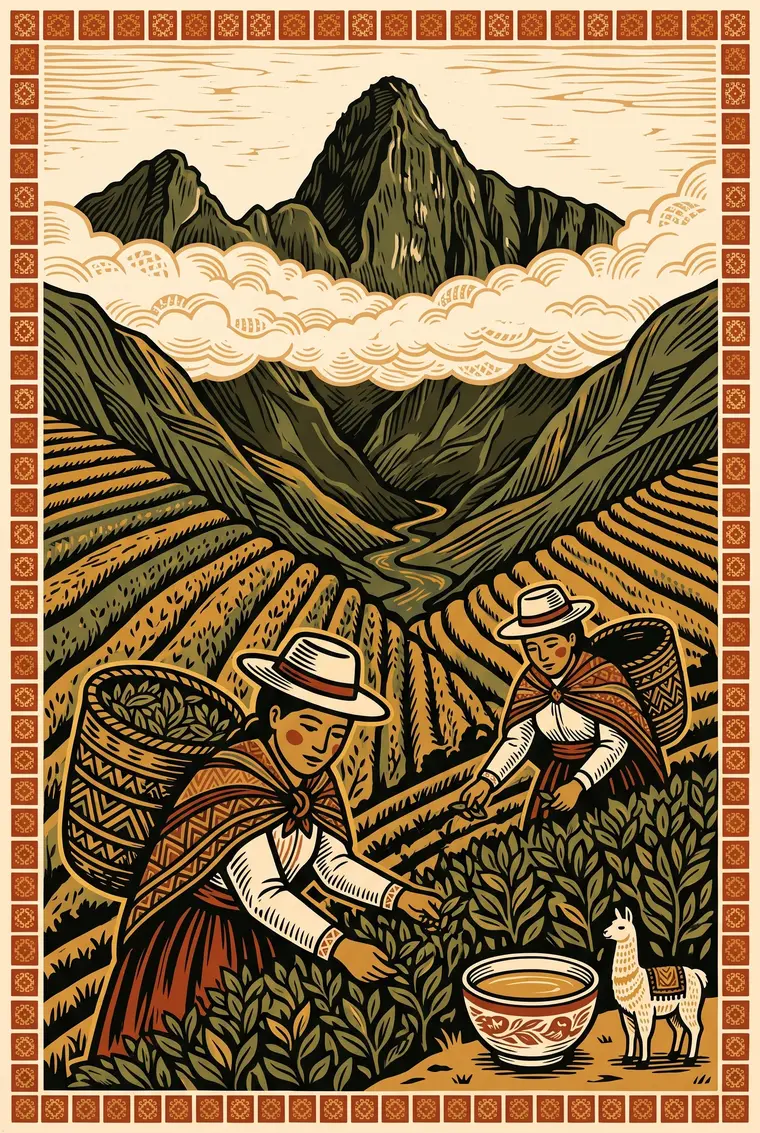
120 pounds of seeds travel from Yokohama on the steamship “Anyo Maru” and are planted on an estate in Huyro. The first harvest comes in 1915. Today the Cusco region is the country’s largest tea producer.
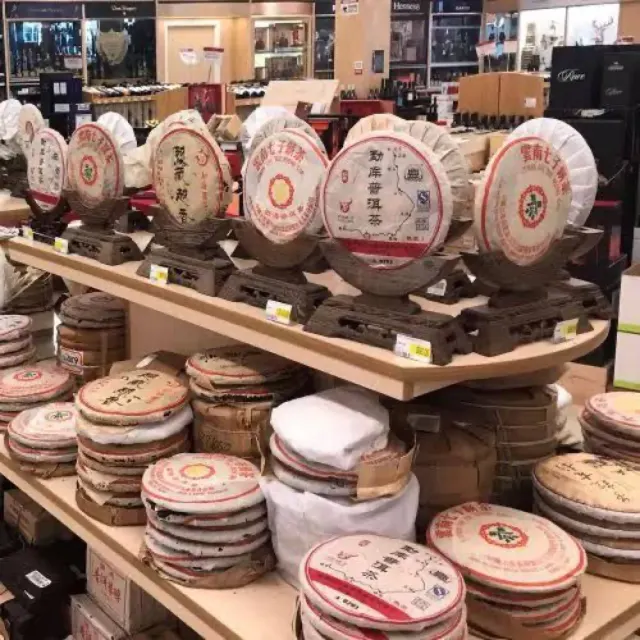
After two years of trials, the first good batch of fast-fermented pu-erh, and mass production right after. Today sheng and shu are seen as equally valuable, just different.
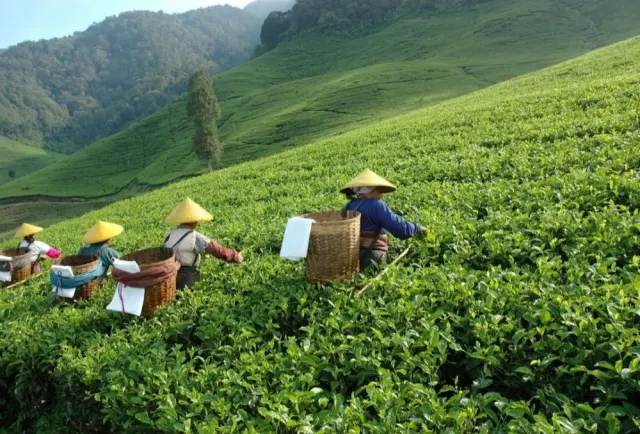
UNESCO adds Chinese tea techniques and customs to its list: six categories, more than 2000 teas. At the same session, the tea culture of Turkey and Azerbaijan is added too. The world produces 7.1 million tonnes a year; after water, it is the most consumed drink.
The whole story, on a scroll →
eleven stops, seals and museum pieces
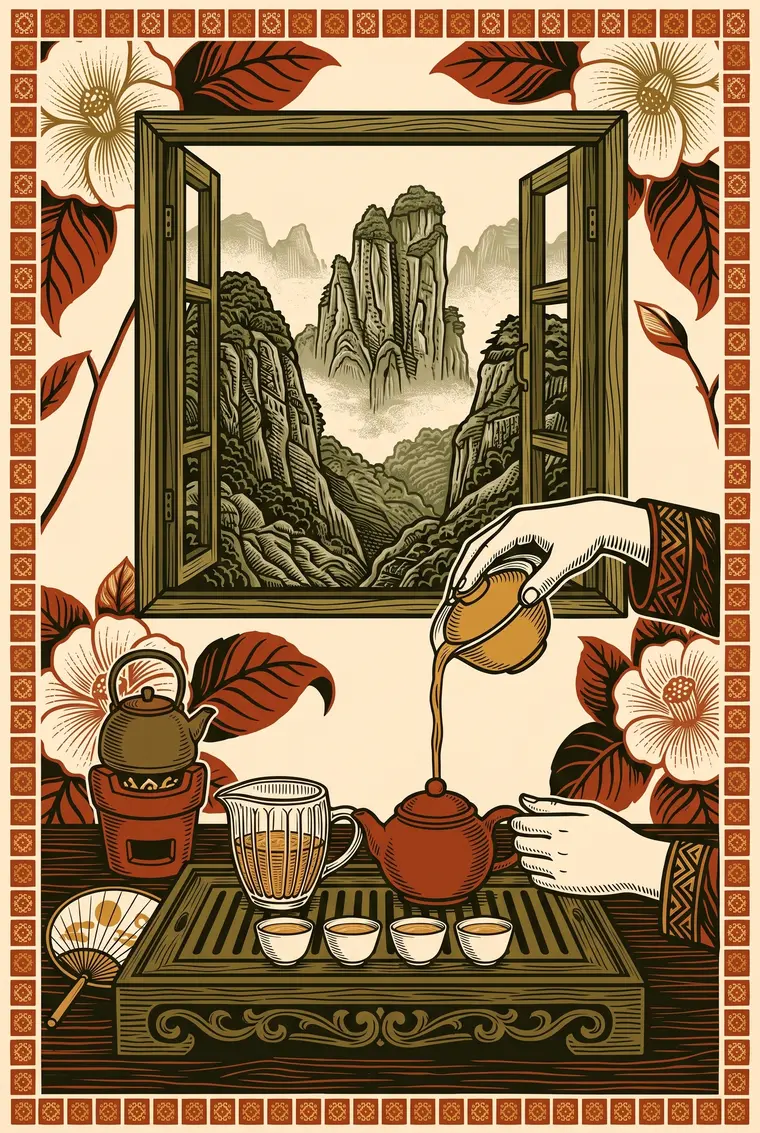
“Tea of skill and effort”: many short infusions in a gaiwan or a small teapot. One of the earliest records of the word is from Chaozhou, in 1801; later the characters got mixed up with 功夫, “kung fu”, and both spellings are still in use.
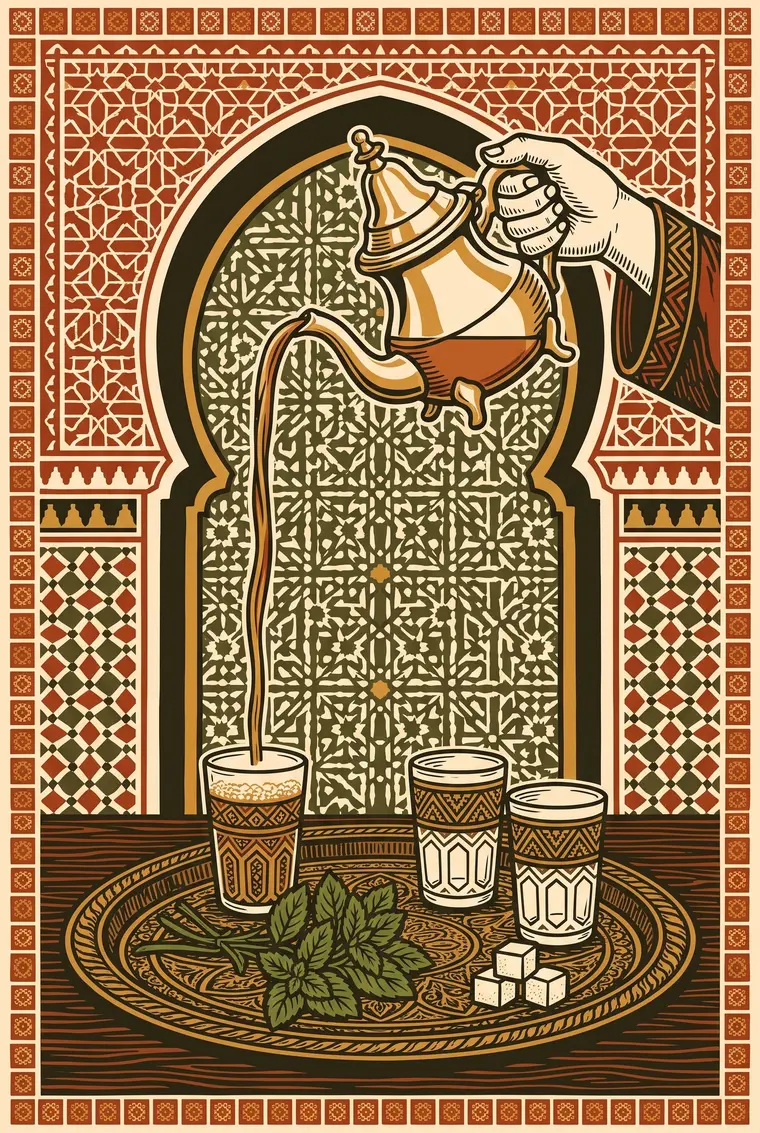
The teapot circles over the cups without breaking the stream, so everyone gets the same strength. The last and strongest drops are shared out one by one: this is “Han Xin reviews his troops”.
The chahai, 公道杯: the whole infusion is poured into it so the first guest doesn’t get weak tea and the last one doesn’t get bitter tea. The pitcher already existed, but it moved to the center of the table with Taiwan’s tea culture revival.
The first infusion is a 5 to 15 second rinse, and you pour it away (for oolong, dark tea and pu-erh). Then 8–10 seconds, and each one 5 seconds longer than the last. Almost boiling for dense oolongs, pu-erh and red tea; for green tea and light oolong, 75–85 °C.
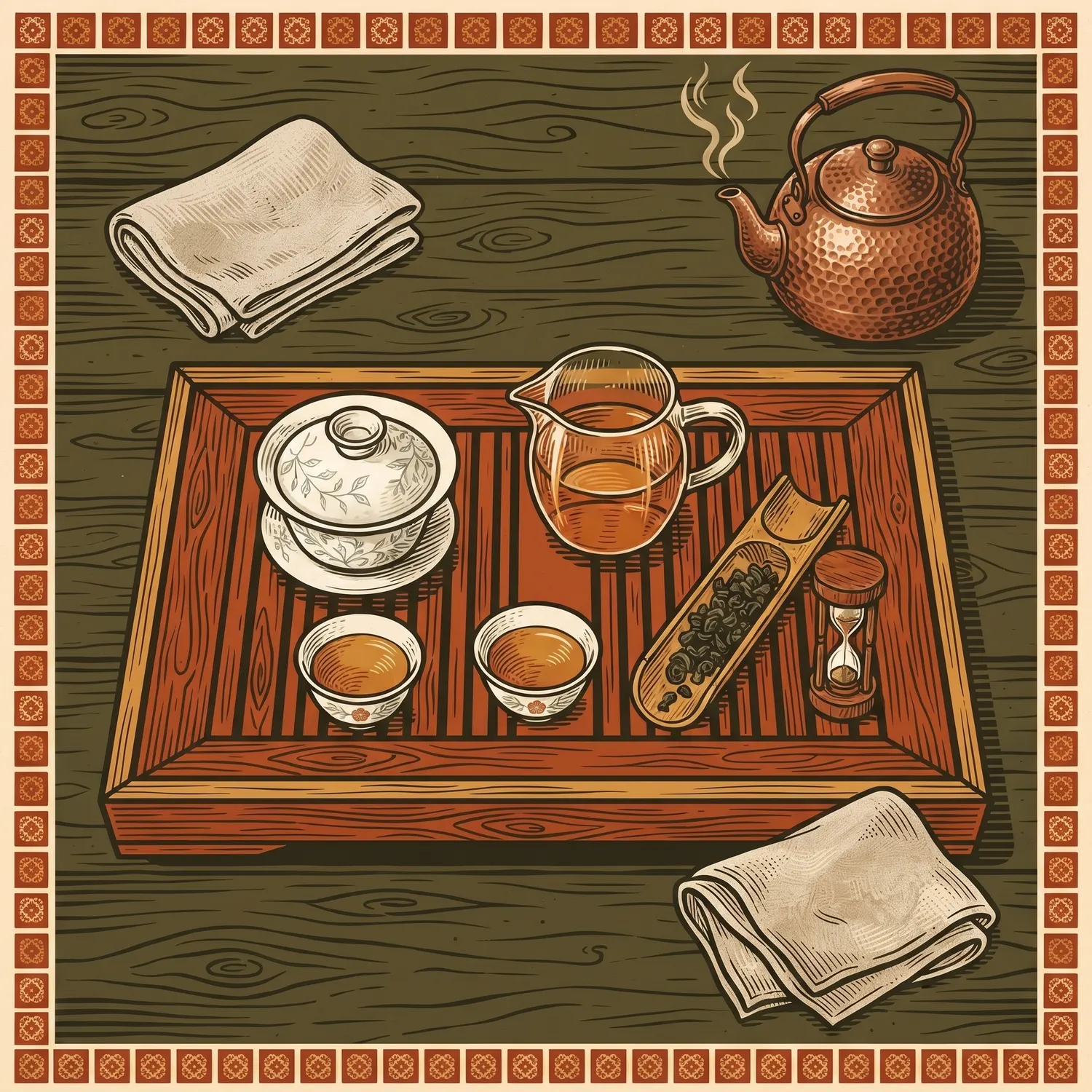
8–10 seconds
Emperor Huizong writes the “Treatise on Tea”: tea is whisked, and the best foam is white. Black jian bowls are prized: against the dark glaze it is easier to judge how white the foam is. In Japan they will be called “tenmoku”, after Mount Tianmu, where monks took them from, and not after the place where they were fired.
The Zen monk Eisai brings tea seeds from China and gives some to the monk Myōe: that is how the tea gardens of Uji begin. In 1211 Eisai writes the “Kissa Yōjōki”, the first Japanese book about tea.
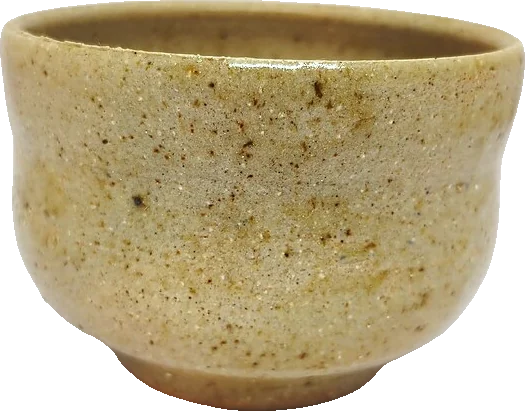
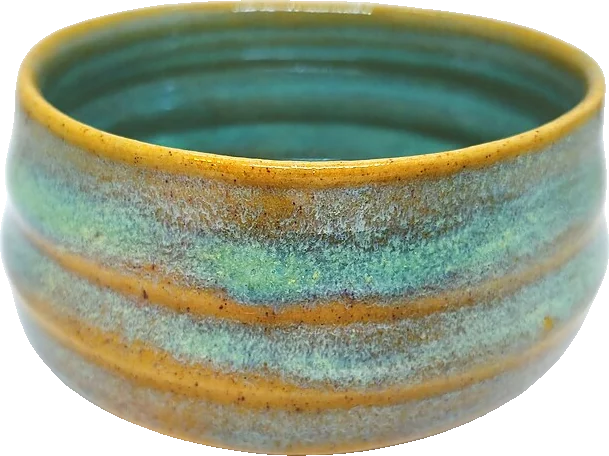
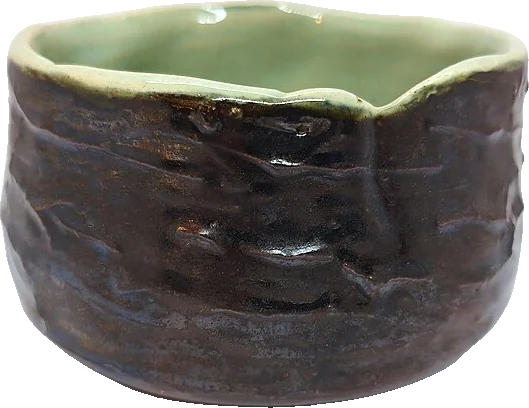
Sen no Rikyū takes wabi-cha — the beauty of the simple and the irregular — and turns it into a whole way of seeing the world. His raku bowl is shaped by hand, without a wheel, and each one comes out different.
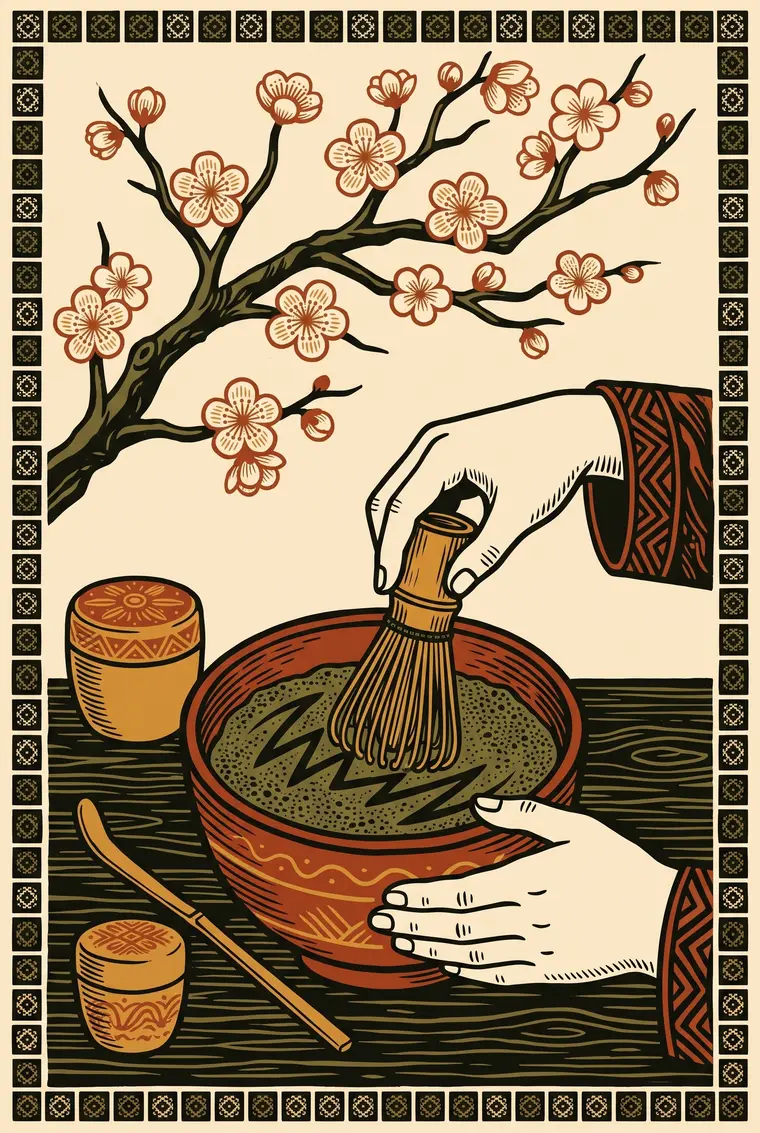
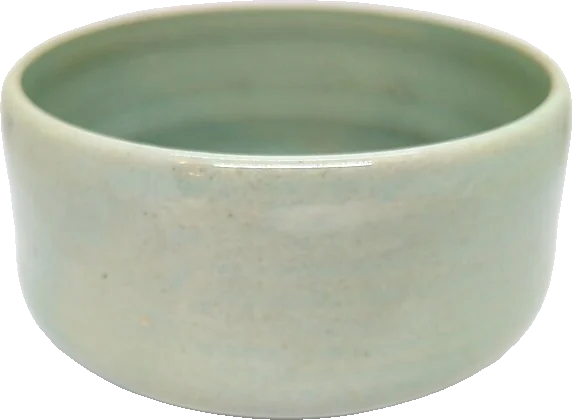
Each guest has their own bowl, with a light foam on top.
It isn’t foam, it’s a thick paste. One bowl is made for everyone and passed around: each person takes 2 or 3 sips and passes it on.