Who we are: Chamante and Madame Teina
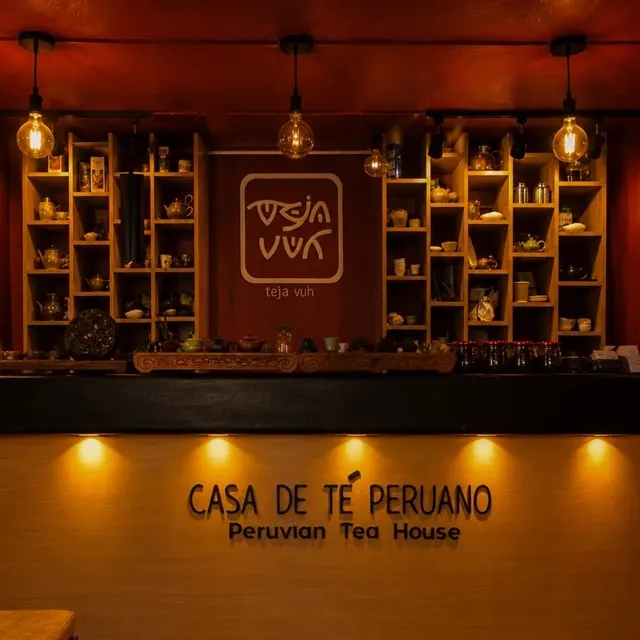
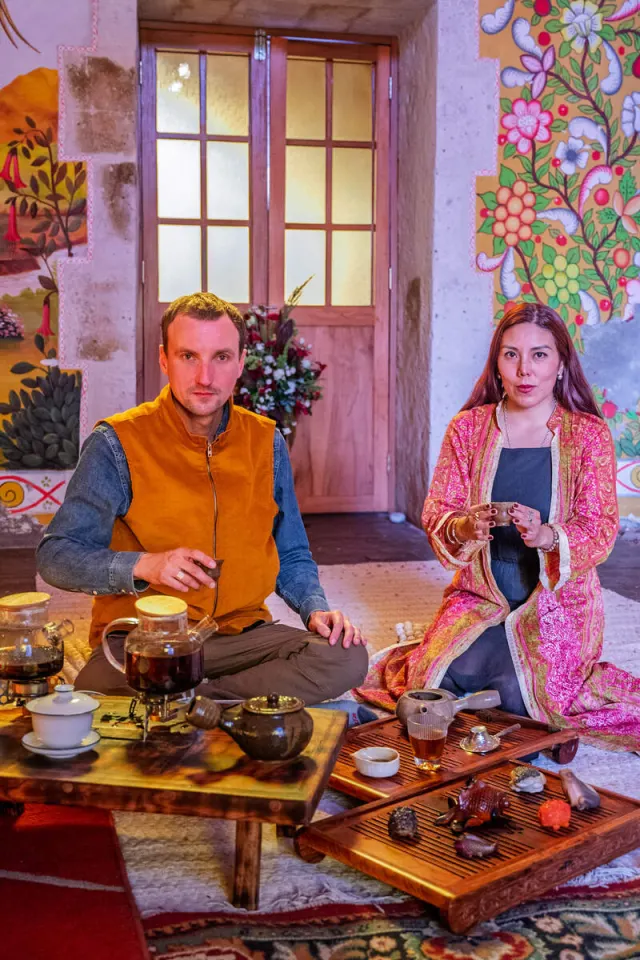
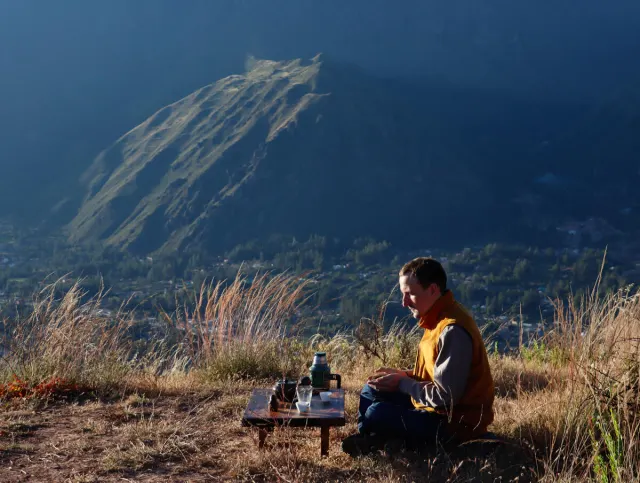
There are two of us — a Russian and a Peruvian — and this is our tea house in Písac, Callao 200. He came from Moscow with twenty-five years of tea behind him; she is from Arequipa and came to tea through a cup she could not explain to herself.
5.0 ★ on Google — 76 reviews
Callao 200, Písac · 09:00–19:00, closed Mondays
Chamante
He is from Moscow and has lived in Peru for almost ten years. He started drinking tea at school, in Russia, with shu pu-erh — and that is still his favourite. He has been studying and drinking tea for nearly twenty-five years, and he holds a tea master's diploma. What brought him here fits in one line, the same one written on the wall of the house: to open up tea culture in Peru.
Tea nameChamante
Where fromMoscow
In Perualmost 10 years
With teaalmost 25 years, since school
His teashu pu-erh
Trainedtea master's diploma
Madame Teina
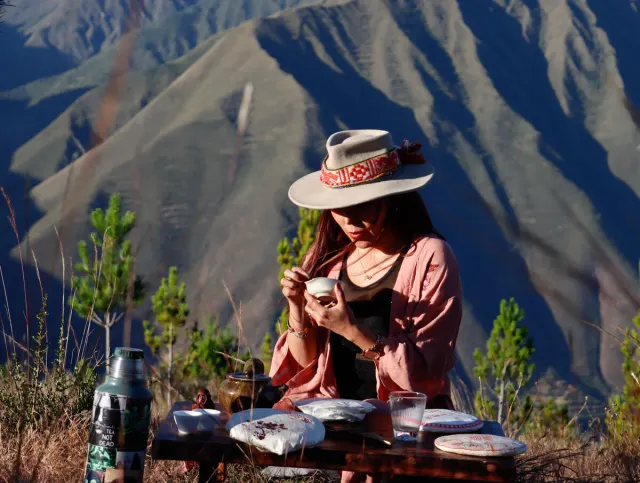
She is from Arequipa. She came to tea through a Chinese New Year celebration, where she met Chamante; her first gongfu cha came later, and with it a question that still holds her. "By the third or fourth cup there was a much more inward, spiritual connection with the bowl of tea," she says: she wanted to understand why that happened to her, and that is how she entered the world of tea.
Tea nameMadame Teina
Where fromArequipa, Peru
In the houseceremonies, guests, design and decoration
Her teaaged sheng pu-erh from old trees
Her totemthe swan
Her Andean nameÑusta
How it all began
They met at a Chinese New Year celebration, at a tea ceremony he was running. That ceremony gave her her first cup, and the first cup gave everything else. "In this story the one who started it is Chamante," she says.
Because the effect of tea is deeper and stronger, and it lasts differently. It is not coffee: it is another thing altogether, and you only understand it by the third or fourth cup, when you stop drinking and start noticing.
In the Sacred Valley they simply met — no plan, no sign. Before they had a house of their own they held ceremonies in other places; in February 2026 they rented here and opened the country's first tea house. Today it is this: tea from the menu, guests, ceremonies, and trips into the mountains when someone asks for them.
TEJA VUH comes from the French "déjà vu". It is a play on words: when somebody drinks tea for the first time, something like a déjà vu happens to them — the feeling of having been there before.
Where to start
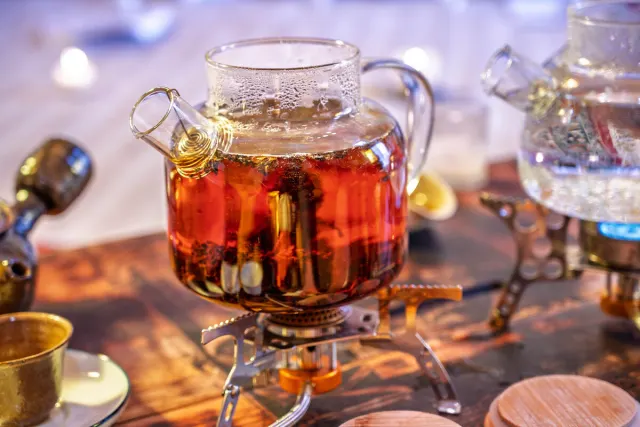
Sets of three samples — to taste and choose your own.
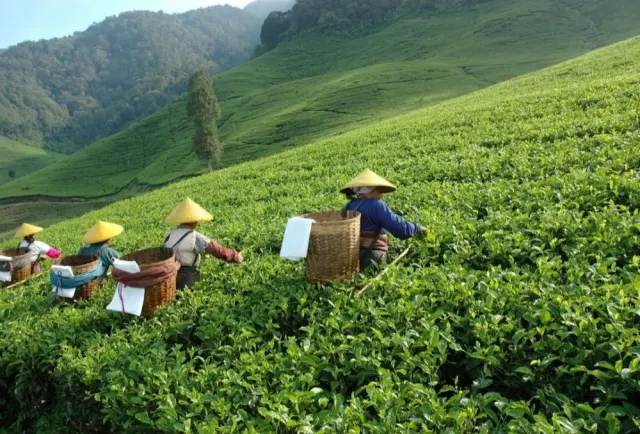
All tea comes from one plant: Camellia sinensis
The type of tea is set not by the plant variety but by the technique: how long the leaf oxidised, how that was stopped, how it was rolled, roasted and aged. The same leaf becomes white or pu-erh: the difference is the master's hands and the hours. Tap a type and we'll show what's on the shelf.
fresh leaffully oxidised and aged
Build your set
Ready sets of three samples — or build your own. A set costs less than buying separately.


Or build your own
Samples are different teas on one table: China, Taiwan and the Cusco valley.
One evening, one gaiwan, and you know which tea is yours without buying full bags.
Three samples: 5 % off; six: 10 %.
Ready sets with one tap:
Chinese tea
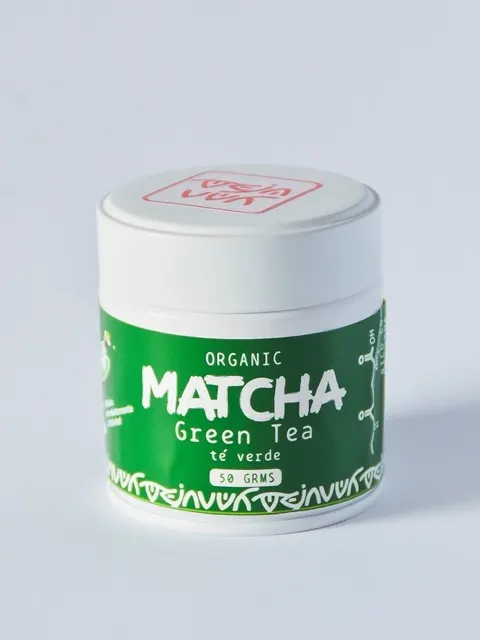
Two matchas and hojicha
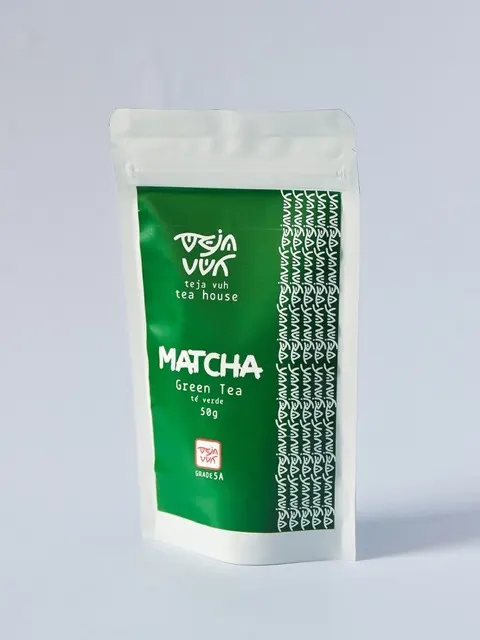
Two matchas — matcha and ceremonial matcha — and hojicha for the evening. The ceremonial matcha is sweeter and more finely ground; the matcha is for every day, milk included.
What matcha is made with
Bowl, whisk and scoop — handmade by us. Each piece carries its own number.


Accessories for the Japanese tea ceremony
Chawan, chasen and chashaku — bowl, whisk and measuring scoop. Bought together with matcha.
Teaware
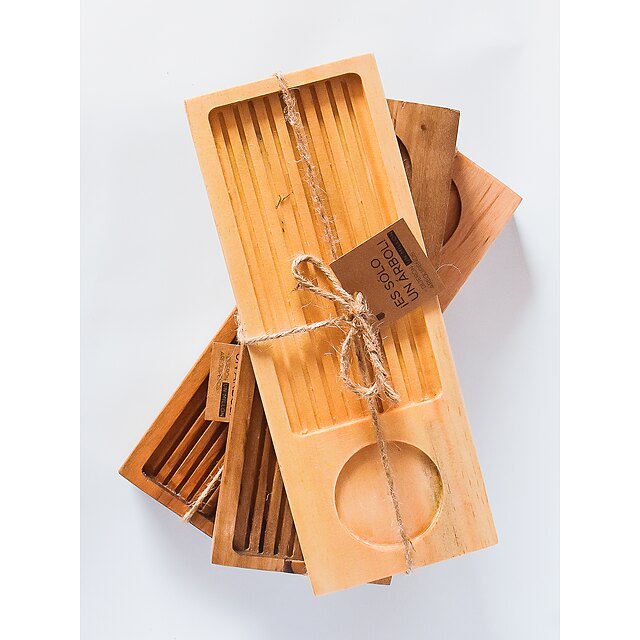
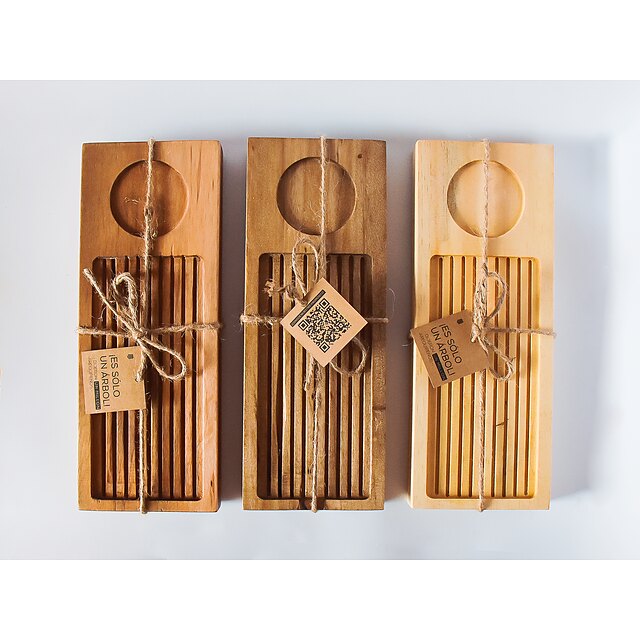
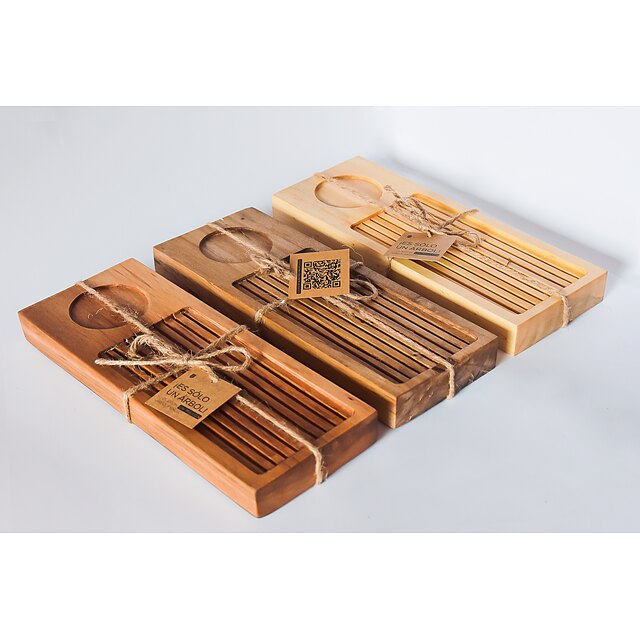
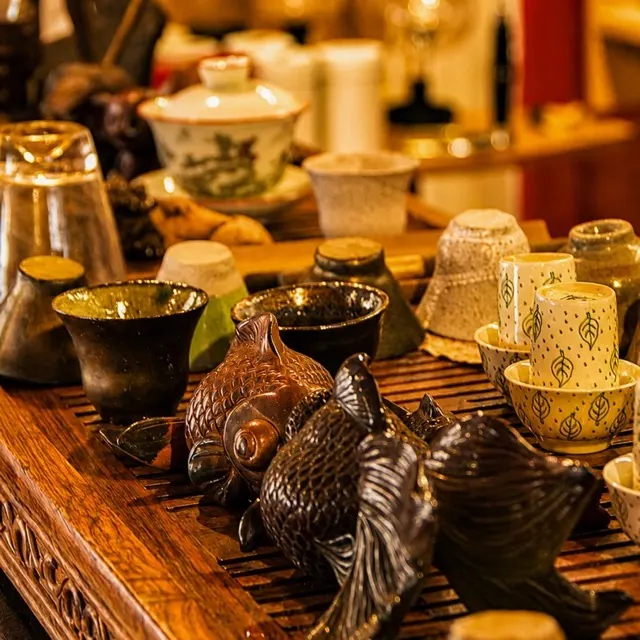
Handmade by us: cups, teapots, gaiwans, shiboridashi, chahai, matcha bowls and tea pets. Every piece has its number.


Looking for manzanilla, muña or hierba luisa?
We don't have them — and we say so plainly. We keep tea leaf: white, green, oolong, red, pu-erh. Tell us what you wanted the herb for and we'll pick the leaf that does the same, only tastier.
What did you want the herb for?
instead of manzanilla
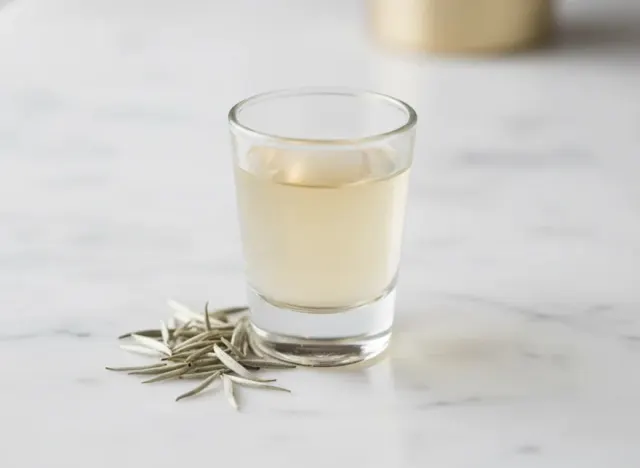
White tea: soft, honeyed — a tea for the evening.
Santa Paca — white leaf from Cusco. Water at 80 °C, three minutes, can be brewed twice.

instead of emoliente, boldo
Pu-erh: dark, dense, 'earthy' — what people in China drink after a heavy meal.
Shu pu-erh is never bitter or sour; 12 g lasts a week of dinners.

instead of muña
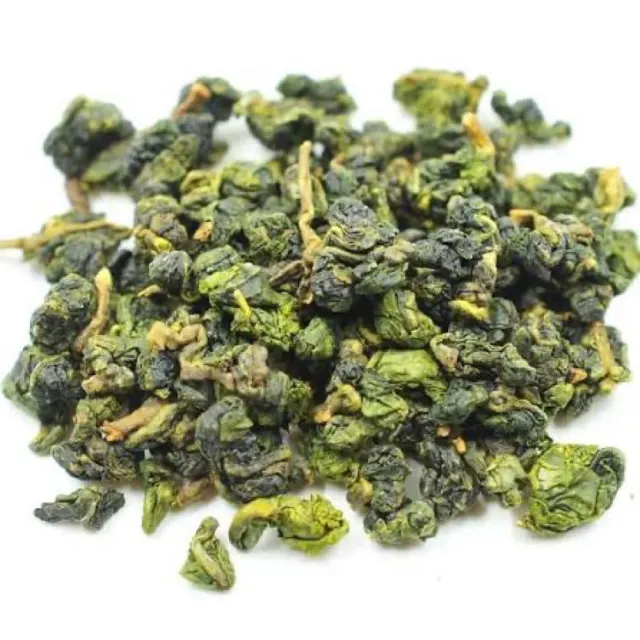
Floral oolong: fresh, energising without jitters, seven infusions from one spoon.
Tie Guan Yin is the most recognizable oolong, with a lilac note.
instead of hierba luisa
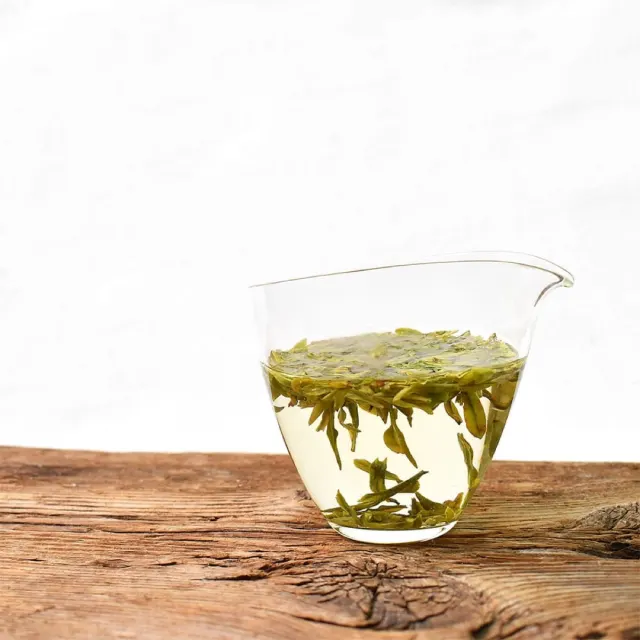
Green leaf from the Peruvian highlands: fresh, grassy, with a lemon note.
Pacha Alpaquita — green from Cusco. Water at 80 °C, never boiling.
instead of mate de coca
Peruvian red: strong, sweet, from the Cusco mountains — for the morning.
Vicuña Roja — red leaf from Cusco; wakes you up like coffee, without the edge.

It's not a herb — it's leafCamellia sinensis: herbs are brewed once, tea leaf holds several infusions.
Sample from S/ 12Less than a cup of coffee. If you don't like it, you've lost S/ 12, not a whole pack.
Brewing is easier than it looksA mug, a spoon of leaf, water below boiling. Temperature and time are on the packet.
We confirm your order on WhatsApp
Delivery across Peru or pickup in Písac — whichever suits you.
Put your order together
Tick the teas and sizes: the list goes off in a single message and you fill in nothing.
We confirm and you pay
A person confirms availability. You pay by Yape, Plin or bank transfer; cash on pickup.
What comes with your order
Two conditions, and both are simple.
A free sample with your first order
If this is your first order with us, we add a sample on top. No need to choose it — we pick it for you.
Free delivery from S/ 150
An order from one hundred and fifty soles ships across Peru at our cost. Below that, delivery is S/ 20.
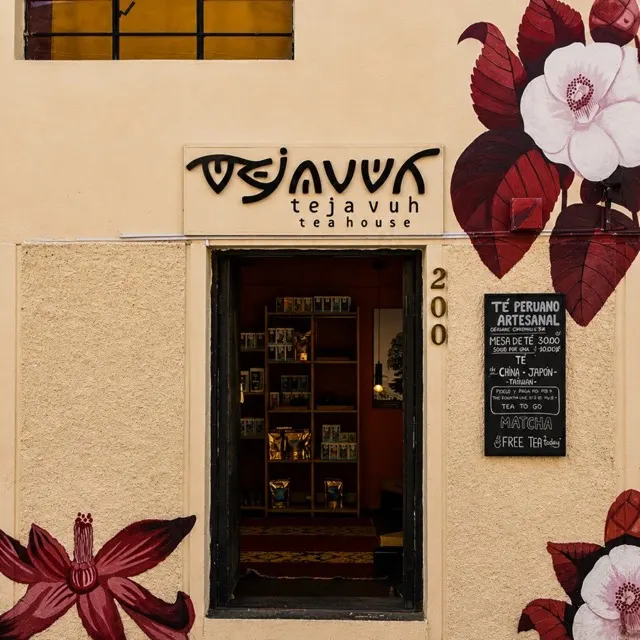
Our tea house in Pisac
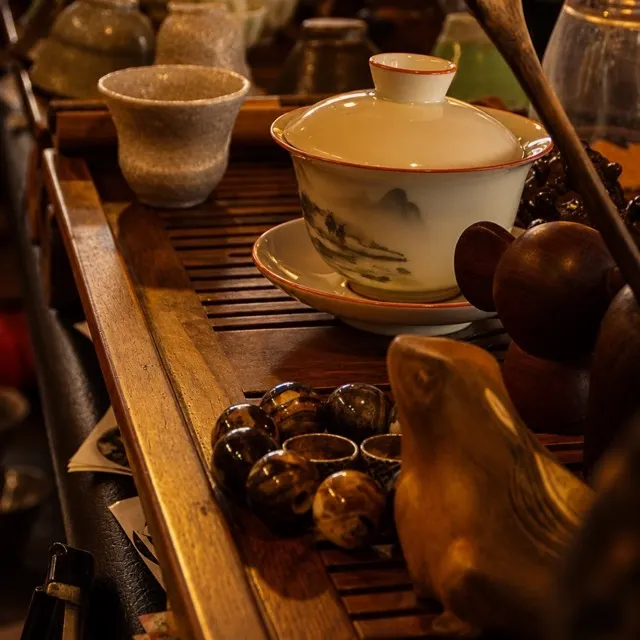
Sacred Valley, Callao 200. You can come without booking and drink any tea from the menu: we will tell you how to brew it and what makes it different. Tea from the thermos is on us during opening hours. Ceremonies are by appointment. You can also pick up your order here.
AddressCallao 200, Písac 08106
Hours09:00–19:00, closed Mondays
Tea menupaid and no booking needed: come and drink any tea, we explain the brewing and the differences
Tea from the thermosfree, during opening hours
Ceremoniesby appointment: gongfu cha and pin cha tasting
Eventstea evenings and gongfu cha ceremonies; the calendar is on Instagram. At open events there is sometimes a free tasting.
Pickuppick up your order right here, no delivery
Rating5.0 ★ · 76 Google reviews



What people ask before ordering
Six answers to the doubts that most often stop the click.
How to order
Build your order and send the list on WhatsApp in one message: we confirm availability, you pay after.
How much is delivery
Courier across Peru: Cusco S/ 12, Lima S/ 18, other regions S/ 20. Free delivery from S/ 150. Pickup in Písac — free.
Can I pick it up myself
Yes, at the tea house in Pisac: Callao 200, 09:00–19:00, closed Mondays.
What if I don't like the tea
Tea is food and can't be returned. That's why there are S/ 12 samples — so you don't risk a whole pack.
Do you have herbal teas
We keep tea leaf, not herbs: no manzanilla, muña or hierba luisa. For something gentle, take white or oolong.
Do you have a complaints book
Yes, the Libro de Reclamaciones is a separate page.
For cafés, restaurants, apartments, shops — and business owners
Distribution prices on leaf, matcha and utensils. Chinese classics, Peruvian tea, matcha and utensils — from a single supplier.
Tea your neighbours don't have
Peruvian leaf from Cusco on the drinks menu — something your guest has almost certainly never tried.
One supplier instead of three
Chinese classics, Peruvian tea, matcha and teaware come from one person: one invoice, one delivery.
Service and teaware
Gaiwans, teapots and cups for your service — some handmade, from our own workshop.