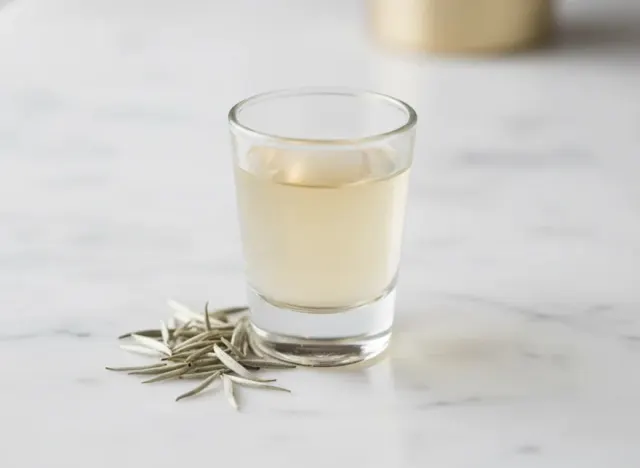
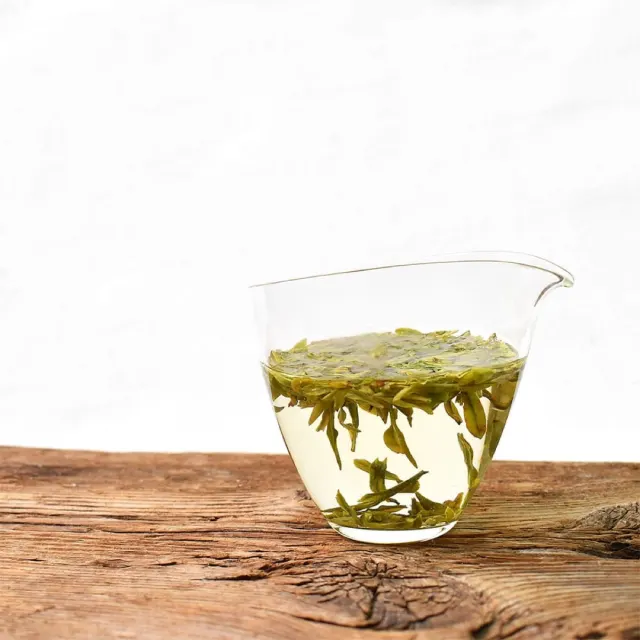
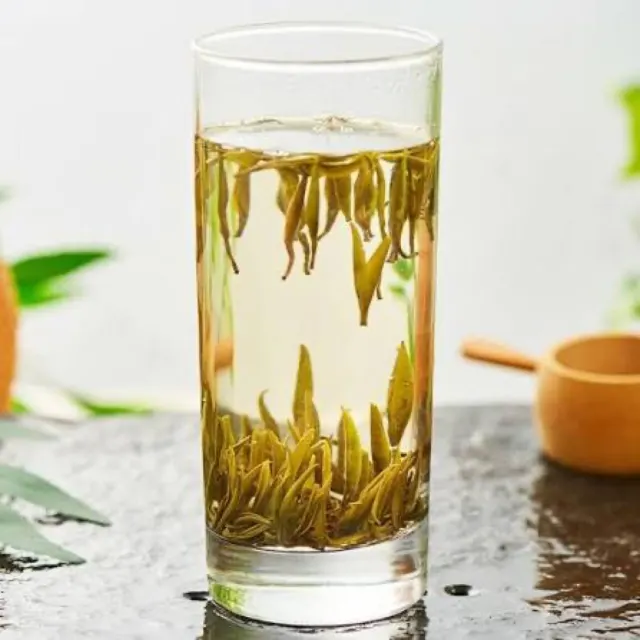
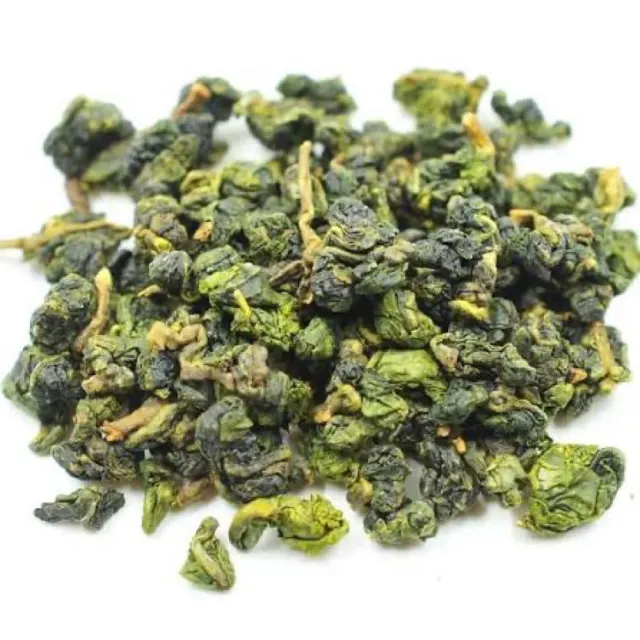
Which green tea to choose: types of green tea in Peru, five compared in the cup
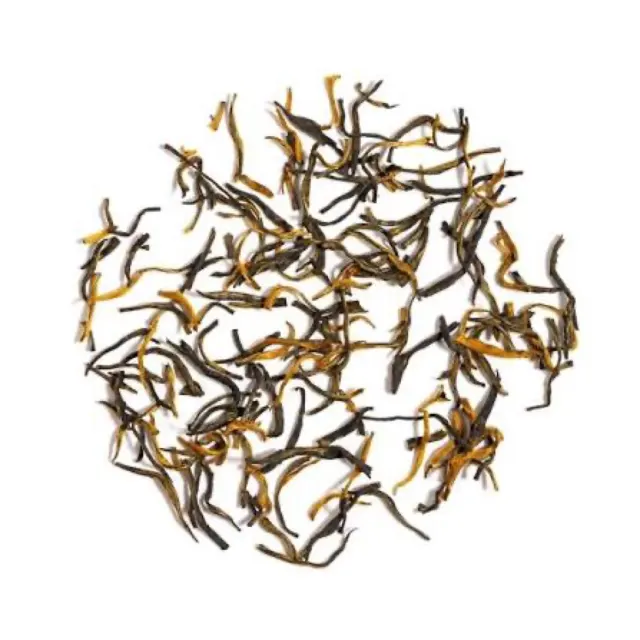
Four Chinese teas and one Peruvian: Long Jing from Hangzhou, Bi Lou Chun from Lake Taihu, Maofeng and Taiping Houkui from Anhui, Pacha Alpaquita from Huyro, Cusco. All five in 30 g boxes.
Do not look for a brand, look for the leaf: Long Jing is the mildest, with chestnut; Bi Lou Chun, floral and fine; Maofeng, the easiest to start with; Taiping Houkui, very long leaf and clean taste; the Peruvian from Huyro, more herbal. All in a 30 g box from S/ 40, and all five can be compared in the cup in Písac.
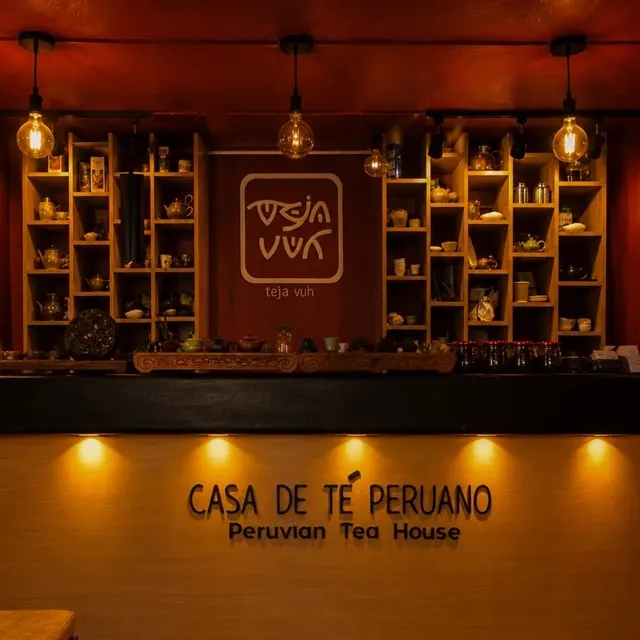
Welcome to our tea house in Písac, Sacred Valley: thermos tea is on us during opening hours, no booking needed. The tea menu is paid and ceremonies are by appointment. You can also pick up your order here.
Callao 200, Písac · 09:00–19:00, closed Mondays
Yape and Plin · shipping S/ 20 anywhere in Peru, free from S/ 150 · 2 to 4 business days · pickup in Písac
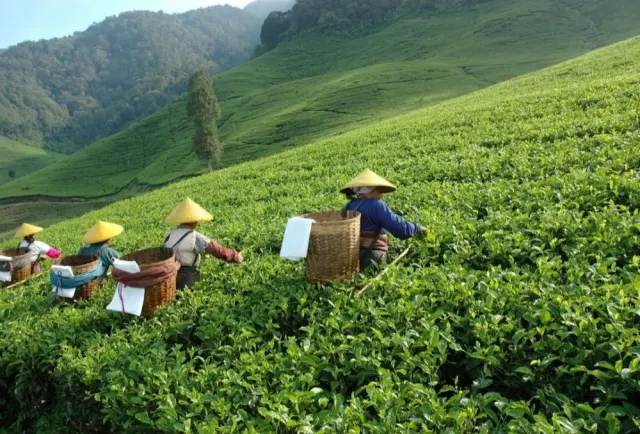
Green is not a different plant. It is what happens to the leaf in the first hours: it is heated in a wok or with steam, oxidation stops, and the leaf stays fresh, grassy, nutty, with a sweetness that returns.
In the cup it shows up like this: pale colour, the smell of cut grass and chestnut, a sweet finish. Nothing like the dry, harsh taste of a tea bag — that is dust from broken leaf, and this is whole leaf that holds three or four brews in a row.
We keep five greens on the shelf: four Chinese — Long Jing from Zhejiang, Bi Lou Chun from Jiangsu, Maofeng and Taiping Houkui from Anhui — and one Peruvian, Pacha Alpaquita, leaf from Huyro, La Convención Valley, Cusco. If you have never had loose green tea, start with a sample: that way you find yours without buying a whole bag.
Green is a daytime tea: it wakes you evenly and sits light. If you want something softer and sweeter for the evening, look at white; if you want body and honey, red.
Water75–80 °C
Three or four brews
Whenmorning and afternoon
On the shelf5 greens
What green tea is for — and what we do not promise
It is the most searched question in Peru. Honest answer: to drink something good in the middle of the morning or the middle of the afternoon. The rest we do not promise — tea is food, not medicine.
Tastecut grass, chestnut, a sweet finish that returns
How it drinksthree or four brews in a row; the second is usually the best
What the leaf holdscatechins and polyphenols — that is composition, not a promised effect
Whenmorning and afternoon; for the end of the day, better a white tea
On an empty stomachbetter not, it can sit heavy; half an hour after food is easier
What we do not promiseweight loss, cures, "detox". If that is what you want, do not buy it for that
ImportantClaims about properties have not been evaluated by a health authority; tea is a food.
"Green tea for weight loss": what is true and what is not
We do not promise it makes you lose weight. We say it plainly, because that is what people search for most and what gets promised most.
What you can actually check in your own cup: tea on its own has no sugar and no calories if you add nothing. Swapping a soda or a frappé for a cup of green takes sugar out of your day — that is arithmetic, not a health promise.
The second thing is real too, and there is nothing magic about it: leaf tea is drunk slowly. One brewing is three or four cups in a row from the same leaf, and that fills a whole afternoon without snacking.
If someone sells you tea by naming kilos, do not trust it. We sell flavour: whole leaf, an origin with a name, and a sample to try first.
The only expensive mistake is boiling water. Everything else sorts itself out.
Water at 75–80 °C
If it has boiled, leave the kettle open for three or four minutes. Boiling water scorches green leaf and pulls out bitterness, and that cannot be fixed afterwards.
One heaped teaspoon per cup
About 3 g per 200 ml. More leaf does not make it stronger, only rougher.
Two minutes the first time
Taste and decide. If you like it softer, take the leaf out earlier; green never needs more than three minutes.
Brew it again
The same leaf holds three or four times, and each one tastes different: the second is usually the sweetest. Throwing the leaf away after one cup throws away three quarters of the tea.
Písac is sunny by day and cold at night; the same tea works for both. Three ways that suit whole leaf.
Cold brew in a jug (no boiling)
One tablespoon of leaf per litre of cold water, in the fridge for six hours or overnight. It comes out sweet and without bitterness, because cold does not pull tannins. Keeps two days covered.
With lemon
Add it at the end, in the cup, not in the pot: acid lightens the colour and covers the leaf aroma if they cook together. Half a slice per cup is enough.
Over ice, quickly
Brew with double the leaf for two minutes and pour it over a glass full of ice. The cold shock keeps the aroma — it is the impatient version of cold brew.
Note
Cold green is already sweet without sugar; that comes from the leaf. If you still want it sweet, a touch of honey at the end, once it is cold.
Who should be careful
Can I drink green tea while pregnant?
Ask your doctor; there is no other serious answer. Tea is not water, and this should come from whoever is looking after you, not from a web page.
Will it keep me awake?
It can, like coffee: tea wakes you. Drink it until mid-afternoon and that is that.
Can I drink it with medication?
Your doctor decides that, not us. Tea is not a neutral food.
Why does it sometimes sit heavy?
Almost always from drinking it on an empty stomach or too strong. Half an hour after food, one teaspoon per cup, and it passes.
Can children drink it?
That is for parents and the paediatrician. At home it usually ends up as a very weak cup, or no tea at all.
All tea comes from one plant: Camellia sinensis
The type of tea is set not by the plant variety but by the technique: how long the leaf oxidised, how that was stopped, how it was rolled, roasted and aged. The same leaf becomes white or pu-erh: the difference is the master's hands and the hours. Tap a type and we'll show what's on the shelf.
Samples are different teas on one table: China, Taiwan and the Cusco valley.
One evening, one gaiwan, and you know which tea is yours without buying full bags.
Three samples: 5 % off; six: 10 %.
Ready sets with one tap:
Chinese tea
Two matchas and hojicha
Two matchas — matcha and ceremonial matcha — and hojicha for the evening. The ceremonial matcha is sweeter and more finely ground; the matcha is for every day, milk included.
We don't have them — and we say so plainly. We keep tea leaf: white, green, oolong, red, pu-erh. Tell us what you wanted the herb for and we'll pick the leaf that does the same, only tastier.
What did you want the herb for?
instead of manzanilla
White tea: soft, honeyed — a tea for the evening.
Santa Paca — white leaf from Cusco. Water at 80 °C, three minutes, can be brewed twice.
Sacred Valley, Callao 200. You can come without booking and drink any tea from the menu: we will tell you how to brew it and what makes it different. Tea from the thermos is on us during opening hours. Ceremonies are by appointment. You can also pick up your order here.
AddressCallao 200, Písac 08106
Hours09:00–19:00, closed Mondays
Tea menupaid and no booking needed: come and drink any tea, we explain the brewing and the differences
Tea from the thermosfree, during opening hours
Ceremoniesby appointment: gongfu cha and pin cha tasting
Eventstea evenings and gongfu cha ceremonies; the calendar is on Instagram. At open events there is sometimes a free tasting.
For making your morning or mid-afternoon taste of something. That is what we can honestly say: it does not cure, does not slim and cleans nothing. Swap it for a soda and what changes is the sugar in your day — arithmetic, not a promise.
Which green tea is best?
The one you taste. Long Jing for mild and chestnut; Bi Lou Chun for floral; Maofeng to start; Taiping Houkui for something clean and unusual; the Huyro one if you want a Peruvian.
Why is my green tea bitter?
Almost always boiling water. At 75–80 °C for two minutes it is not. The second cause is too much leaf: a teaspoon per cup is enough.
Do you have green tea with ginger or lemon?
We sell the leaf on its own. Ginger and lemon go into the cup at the end, not into the pot: otherwise they cover the aroma of the leaf.
Where can I buy loose leaf green tea in Peru?
On WhatsApp, shipped nationwide for S/ 20 and free from S/ 150; or in person at Callao 200, Písac, Cusco, 09:00–19:00 except Mondays.
Are there green tea samples?
Not today. All five come in a 30 g box, the smallest format we have for them. Samples do exist for oolong, red tea and pu-erh.
What people ask before ordering
Six answers to the doubts that most often stop the click.
How to order
Build your order and send the list on WhatsApp in one message: we confirm availability, you pay after.
How much is delivery
Courier across Peru: Cusco S/ 12, Lima S/ 18, other regions S/ 20. Free delivery from S/ 150. Pickup in Písac — free.
Can I pick it up myself
Yes, at the tea house in Pisac: Callao 200, 09:00–19:00, closed Mondays.
What if I don't like the tea
Tea is food and can't be returned. That's why there are S/ 12 samples — so you don't risk a whole pack.
Do you have herbal teas
We keep tea leaf, not herbs: no manzanilla, muña or hierba luisa. For something gentle, take white or oolong.
Do you have a complaints book
Yes, the Libro de Reclamaciones is a separate page.
A sample is 8 g of leaf: two mugs or one gongfu session. Three samples to get acquainted, nine for the whole shelf. A set is cheaper than buying separately.
Build your set
Ready sets of three samples — or build your own. A set costs less than buying separately.
Samples are different teas on one table: China, Taiwan and the Cusco valley.
One evening, one gaiwan, and you know which tea is yours without buying full bags.
Three samples: 5 % off; six: 10 %.
Ready sets with one tap:
Chinese tea
How to try the set
Brew in a mug
5 g per 250 ml; temperature and time are on the tea's page and on the packet.
Write down what you liked
Sweet, dense, floral, smoky — three words are enough.
Take a pack of your favourite
30 or 50 g of the one you liked. The tea's page says how long it lasts.
Why a sample
8 gtwo 250 ml mugs or one gaiwan session
3 · 6 · 9goes to the cart only as a set — it's cheaper that way
from S/ 150free delivery: nine samples almost reach the threshold
photo · set boxphoto · three packetsphoto · open packet, leaf
Looking for manzanilla, muña or hierba luisa?
We don't have them — and we say so plainly. We keep tea leaf: white, green, oolong, red, pu-erh. Tell us what you wanted the herb for and we'll pick the leaf that does the same, only tastier.
What did you want the herb for?
instead of manzanilla
White tea: soft, honeyed — a tea for the evening.
Santa Paca — white leaf from Cusco. Water at 80 °C, three minutes, can be brewed twice.
It's not a herb — it's leafCamellia sinensis: herbs are brewed once, tea leaf holds several infusions.
Sample from S/ 12Less than a cup of coffee. If you don't like it, you've lost S/ 12, not a whole pack.
Brewing is easier than it looksA mug, a spoon of leaf, water below boiling. Temperature and time are on the packet.
Questions about samples
Can I build a set from any teas?
From the nine teas with samples — yes, in the builder above. The rest are sold in 30 and 50 g packs.
How long does a sample keep?
A year in its sealed packet, away from light and smells. Pu-erh and red — longer.
Is there a matcha sample?
No: matcha comes in a 30 g tin and a 50 g bag. You can try it at the tea house in Písac, from the tea menu and without booking.
Matcha, ceremonial matcha and hojicha for the evening
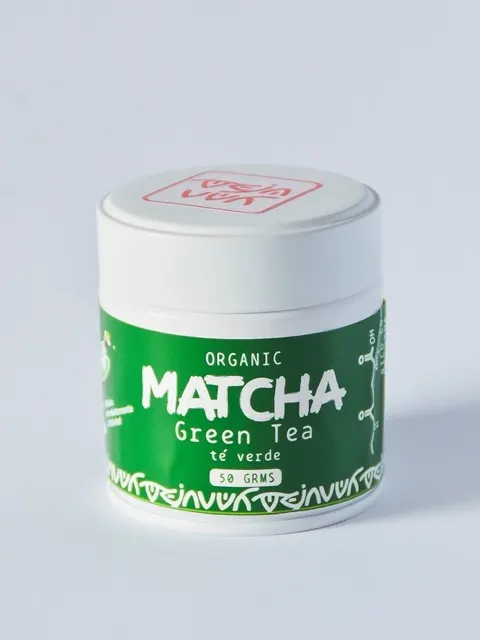
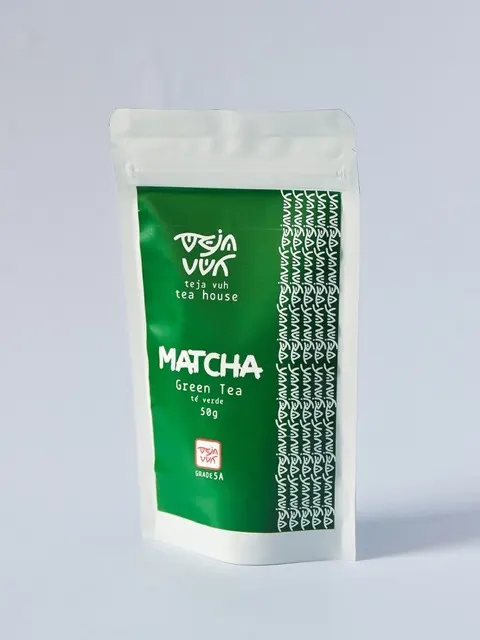
Matcha — for every day, plain or with milk: the 50 g pack makes 25 cups. Ceremonial matcha — when matcha is the centre. Hojicha — for the evening. Whisk, scoop and bowl below.
Two matchas and hojicha
Two matchas — matcha and ceremonial matcha — and hojicha for the evening. The ceremonial matcha is sweeter and more finely ground; the matcha is for every day, milk included.
All the tea in the world is the leaf of one bush, Camellia sinensis. The whole difference is what was done to the leaf after picking. Here: six types, where they come from, how to brew them and which of them are on our shelf.
Camellia sinensis is an evergreen bush from the mountains on the border of China, India and Burma. It needs altitude, mist and temperature swings: that's why the best tea grows in the mountains — in Fujian, Yunnan, Taiwan and, as it turns out, near Cusco.
From the bush you pick the bud and the top two or three leaves. Then the leaf is either heated right away (green), or left to wither and oxidise — partly (oolong) or fully (red), or aged for years (pu-erh). One leaf — six different tastes.
Herbs — manzanilla, muña, hierba luisa — are not tea: they contain no Camellia sinensis. We work only with leaf.
How tea is made: from leaf to pack
Five steps, and the leaf can be stopped at any of them — that's how the types are born.
Picking → withering (the leaf loses water and softens) → rolling (cells break, oxidation begins) → oxidation or stopping it with heat → drying or roasting. Green is stopped right away, oolong halfway, red at the end, pu-erh is set to age.
Some teas are still made by hand: Long Jing is pressed against the wok with the palm, Da Hong Pao is roasted over charcoal for 8–12 hours. Others on rolling and drying machines; not worse, just a different tea.
White tea: almost unprocessed
Buds and leaf are only withered and dried. Soft, honeyed — a tea for the evening and for anyone who does not like tea.
In Peru it's almost unknown: a search for 'té blanco' brings up pharmacies and tea bags. We have whole bud and leaf from Fujian and from Cusco.
Water at 80 °C, three to four minutes in a mug or short infusions in a gaiwan — over-brewing white is almost impossible.
The most common question in Peru is «para qué sirve el té verde». Honest answer: so that it tastes good. We promise nothing beyond that.
The leaf is heated in a wok or steamed to stop oxidation: it stays fresh, grassy, with nut and sweetness. Boiling water makes it bitter — green likes 75–80 °C.
Loose-leaf green differs from a tea bag like fresh bread from a rusk: the leaf is whole and brews three or four times.
From floral Tie Guan Yin to roasted Da Hong Pao — one type, two different worlds. Holds seven infusions and the taste changes with each.
In Spanish oolong is called 'té azul'. The leaf is bruised and partly oxidised, then dried or charcoal-roasted. Milk oolong is sweet and creamy with no additives — it's a cultivar, not a flavouring.
Oolong is a tea for gongfu cha and a long conversation: 7 g, 150 ml, 95 °C, 20–40 second infusions.
Fully oxidised leaf: honey, cocoa, dried fruit, without the harshness of a tea bag. Energising, good in the morning and with food.
Mind the confusion: in Peru 'té rojo' usually means pu-erh, and 'té negro' is this one, the red. We use the Chinese name: red, after the colour of the liquor.
Jin Jun Mei is made from buds, sweet and honeyed; the Peruvian Vicuña Roja and Puma Rojo are stronger, from the Cusco mountains.
From Yunnan. Sheng matures on its own for years and grows more complex; shu is aged at the factory — dark, dense, 'earthy'. Drunk after meals.
Pu-erh does not turn bitter or sour if you do not oversteep it: 25 seconds per infusion. A pressed cake is broken with a knife, loose leaf is taken with a spoon. It wakes you up firmly.
This is that same 'té rojo para bajar de peso' from the search box. We promise no results — we promise taste, warmth after a meal and ten infusions from one spoon.
Matcha and hojicha — the same leaf, ground and roasted
Matcha is green leaf grown in the shade and ground to powder: you drink the leaf itself, whisked with water. We have two: matcha and ceremonial matcha. Hojicha is roasted green leaf: caramel and nut.
Matcha is drunk during the day, hojicha in the evening. For matcha you need a chawan, a chasen and a chashaku — we have them.
The birthplace of tea and all its types. Fujian — oolongs and white, Yunnan — pu-erh and red, Jiangsu and Zhejiang — green. Millennia-old schools of processing.
Taiwan
The island of high-mountain oolongs: Dong Ding, Four Season, Ruby 18. Softer and more floral than the Chinese ones; the cultivars were bred in the 20th century.
Peru
The bush came to Cusco a hundred years ago — Huyro and Huayopata in La Convención. Today they make green, white and red there. The same leaf, different air — and you can taste it.
Why gongfu cha
Gongfu cha — 'tea with skill': lots of leaf, little water, short infusions. The same leaf is brewed 7–10 times and every infusion is different.
Warm the gaiwan
Rinse the gaiwan and cups with boiling water — in warm ware the leaf opens right away.
Lots of leaf, little water
7 g in 150 ml. First infusion 20–25 seconds, pour into the chahai, share out into the cups.
Each next one — a little longer
+10 seconds per infusion. Oolong holds 7, pu-erh — 10. Compare the first cup with the fifth.
darkening of the leaf in the air after picking; the longer, the darker and sweeter
Gaiwan
a lidded cup with a saucer in which the leaf is brewed
Chahai
pitcher: the brew goes from the gaiwan here first, then into the cups
Infusion
one steep of the leaf in gongfu cha; the leaf holds 5–10 infusions
Gongfu cha
a way of brewing: lots of leaf, little water, short infusions
Oolong · té azul
partly oxidised leaf: from floral to roasted
Red tea · té negro
fully oxidised; in Europe it's called black
Pu-erh · té rojo
tea from Yunnan that matures; sheng on its own, shu at the factory
Wuyishan
mountains in Fujian, home of rock oolongs and Da Hong Pao
Yunnan
province in southern China, home of pu-erh and ancient tea trees
Matcha
green leaf grown in the shade and ground to powder; you drink the leaf itself
Hojicha
roasted green tea, for the evening
Chasen, chawan, chashaku
whisk, bowl and measuring scoop for matcha
What people ask about tea most
What is green tea good for?
So that it tastes good. We promise nothing about health or weight loss — tea is food, not medicine.
Loose leaf or tea bag?
The leaf is whole, brews 3–7 times and costs less per cup. A tea bag holds dust and brews once. On every tea page we work out how many cups a pack gives.
Any contraindications?
For the evening, choose white or hojicha; in pregnancy or illness, ask your doctor. More than 4–5 strong cups a day we do not recommend.
Is 'té rojo' red tea?
In Peru 'té rojo' usually means pu-erh, and 'té negro' — red. We use the Chinese names: red, after the colour of the liquor; pu-erh — pu-erh.
Which tea for sleep?
White and hojicha are the softest. A cup of white after dinner is an ordinary evening habit.
The Chinese way to brew leaf: lots of leaf, little water, short steeps. The same leaf brews 5–10 times and every cup is different. Here: what each piece is for, six steps, and where to start.
photo · gaiwan, chahai and two cups on the trayphoto · pouring from gaiwan into chahaiphoto · dry and wet leaf side by sidephoto · ceremony at the tea house, hands and steam
What gongfu cha is
Gongfu cha (功夫茶) means "tea with skill". Not ritual for its own sake, but a way to brew the leaf so you hear everything in it.
In a mug the leaf is steeped once and for long: the first minutes give aroma, the last give bitterness, and it all mixes into one cup. In gongfu cha you use two to three times more leaf, half the water, and steep 10–40 seconds. You get a cup of two sips — and the next steep, already different.
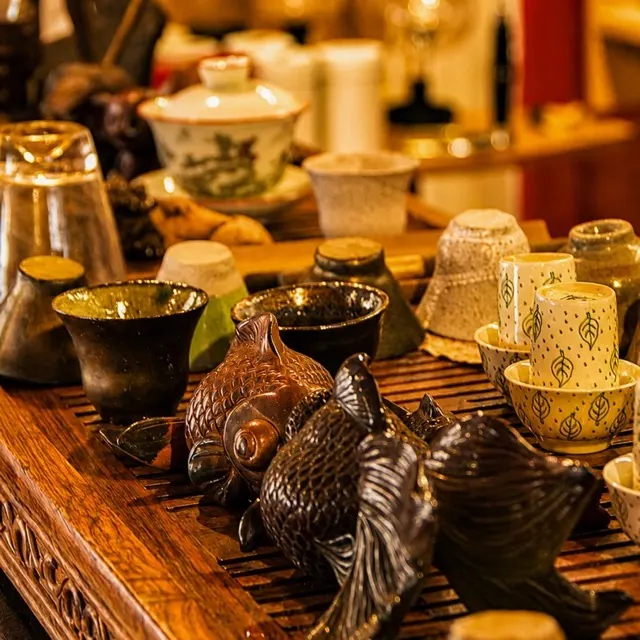
Hence the teaware: a small brewing vessel, a pitcher so the brew is even, and cups of a sip. Nothing is extra: each piece has one job.
Leaf7 g per 150 ml
Infusion10–40 seconds
Steeps5–10 from one leaf
Cup30–50 ml, two sips
photo · gaiwan with leaf, from abovephoto · the pour into the chahaiphoto · three cups with brews of different colour
Why all the little cups and teapots
Seven pieces, and three of them you can do without. Only the brewing vessel, the pitcher and the cups are essential.
Gaiwan: the brewing vessel
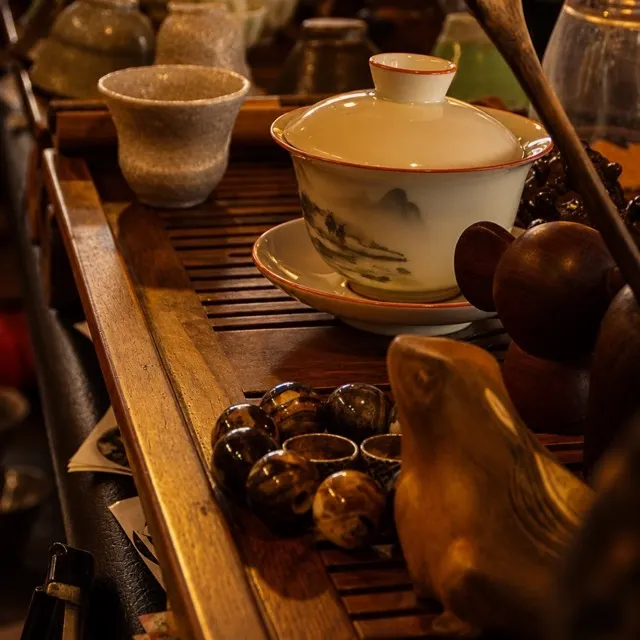
A cup with lid and saucer, 100–150 ml. The lid holds back the leaf as you pour. Universal: suits any tea, washes easily, and you see the leaf.
Teapot: instead of a gaiwan
Same purpose, familiar shape. A clay (Yixing) teapot absorbs flavour and "gets used to" one type: keep it for pu-erh or oolong.
Chahai: the pitcher
A small pitcher you empty the whole brew into at once. Otherwise the first cup comes out weak and the last strong. From the chahai everyone gets the same.
Cups
30–50 ml, two sips. Small not out of stinginess: tea is drunk hot and many times over, and a big cup goes cold.
Chaban: the tea tray
A table with a drip tray: teaware is warmed with boiling water and the water goes straight onto the board; the table stays dry. The small one is for one or two.
Strainer
Sits on the chahai and catches leaf bits. Needed for broken leaf and pu-erh; for whole oolong, optional.
Kettle
Any kettle, as long as you can see the temperature: oolong and pu-erh 95–100 °C, red 90, green and white 80–85.
Three minutes in all. Water soft and chlorine-free; temperature by tea type.
Warm the teaware
Rinse the gaiwan, chahai and cups with boiling water; pour it out onto the tray. In warm teaware the leaf opens right away.
Add the leaf
7 g per 150 ml, about a heaped tablespoon. Close the lid for half a minute and smell: dry leaf in a warm gaiwan is the first aroma.
Rinse the leaf
Pour and discard at once: this one isn't drunk. Pu-erh and tightly rolled oolong need it: the leaf opens and dust rinses off. Green and white don't.
First steep
Pour water at the right temperature, 15–20 seconds, and empty everything into the chahai to the last drop. Leaf left sitting in water keeps steeping — and turns bitter.
Pour into the cups
From the chahai, to everyone in turn. Drink hot, in two or three sips, and notice the aftertaste.
Next steeps
Each one 5–10 seconds longer than the last. Oolong holds 6–8 steeps, pu-erh 10, red 5–6. Stop when the brew goes empty.
Because the leaf doesn't give itself up at once. The same oolong goes through four different tastes in one session.
1st steep: aroma
The lightest and most fragrant: flowers, honey, baked notes. Little body yet.
2nd–3rd: body
The brew gains body; the taste that is "this tea" appears. The best cups of the session.
4th–6th: sweetness
Bitterness is gone; sweetness and a long aftertaste in the throat remain.
7th onward: lightness
The brew turns pale, almost water with a memory of tea. Good leaf holds even this.
Gongfu cha or a mug
A mug isn't worse, it's different. The difference is what you get out of the same grams.
From 7 g of leaf
Mug: one 250 ml brew, the second already weak. Gongfu cha: 7–10 steeps of 150 ml, nearly a litre, all different.
Bitterness
In a mug the leaf sits in water for minutes and all the tannins come out. In a gaiwan, 20 seconds: aroma and taste come out, bitterness stays in the leaf.
Time
Mug: 4 minutes and done. Gongfu cha: 3 minutes to the first cup and half an hour of pleasure, if you like.
When to use which
Mug: at work, on the road, in a thermos. Gongfu cha: in the evening, with guests, when tea is the occupation.
A 100–200 ml teapot works. A gaiwan is easier to start with: you see the leaf, it suits any tea and washes easily. A one-litre pot is no longer gongfu cha: the leaf oversteeps.
How much does it cost to start?
Gaiwan, chahai and two cups: three pieces; prices in the cards above or on WhatsApp. Tray, strainer and clay teapot can come later.
Boiling water or not?
By tea type: oolong and pu-erh 95–100 °C, red 90, green and white 80–85. Boiling water kills green tea: bitterness instead of taste.
How is it different from the Japanese ceremony?
The Japanese one is about matcha: powder whisked in a bowl, once. Chinese gongfu cha is about leaf: brewed in many steeps. Different teaware, different tea.
Can Peruvian tea be brewed this way?
Yes: our leaf from Cusco is the same Camellia sinensis. Red and oolong from the valley hold 5–6 steeps.
Does it take long?
First cup in three minutes. After that, as long as you like: a session can take ten minutes or an hour.
For cafés, restaurants, apartments and hotels, shops — and for owners who want what the place next door does not have. We build the list, come over, show it, and run a tasting and a ceremony for your guests.
Sacred Valley, Callao 200. You can come without booking and drink any tea from the menu: we will tell you how to brew it and what makes it different. Tea from the thermos is on us during opening hours. Ceremonies and workshops are by appointment. You can also pick up your order here.
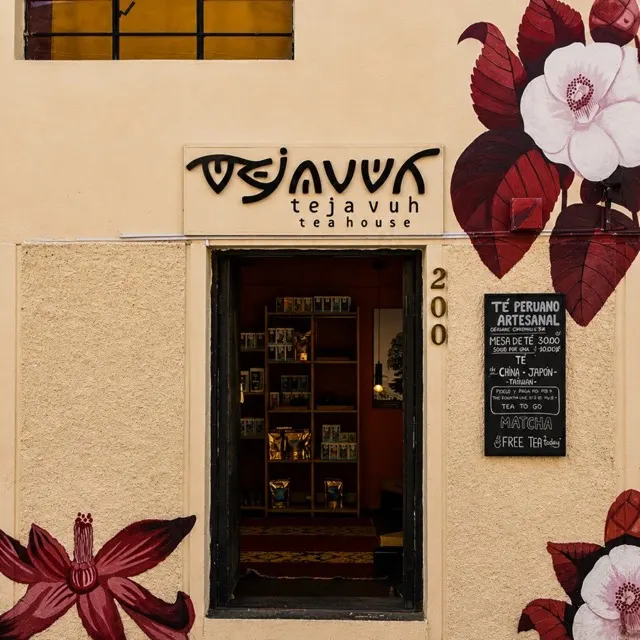
The façade at Callao 200The doorway and the chalkboardThe tea shelf insideThe room: low tables
Our tea house in Pisac
Sacred Valley, Callao 200. You can come without booking and drink any tea from the menu: we will tell you how to brew it and what makes it different. Tea from the thermos is on us during opening hours. Ceremonies are by appointment. You can also pick up your order here.
AddressCallao 200, Písac 08106
Hours09:00–19:00, closed Mondays
Tea menupaid and no booking needed: come and drink any tea, we explain the brewing and the differences
Tea from the thermosfree, during opening hours
Ceremoniesby appointment: gongfu cha and pin cha tasting
Eventstea evenings and gongfu cha ceremonies; the calendar is on Instagram. At open events there is sometimes a free tasting.
Pickuppick up your order right here, no delivery
Rating5.0 ★ · 76 Google reviews
Ceremonies and workshops at the tea house
Pin cha (品茶, 'tasting tea') is a tasting of several teas side by side to understand the difference. Gongfu cha is the tea ceremony: lots of leaf, little water, short infusions. Come alone, as a couple or with a group — or let's talk online.
Four teas, two or three infusions each. Water, teaware and a host are all there.
What you take home
A card with the four names and how to brew them at home.
Which teas exactly
Whichever are open that day. The four types are fixed: white, oolong, red and puerh.
Who it is for
A good fit if
It is your first time with Chinese tea and you do not know where to start · you are passing through Písac and have an hour · you want to pick a tea as a gift without missing.
Not a fit if
If you want quiet and one tea for two hours, that is the gongfu cha ceremony · if you just want a free cup of tea, drop by during opening hours: we pour from the thermos, no booking.
Formats and price
One price per person, up to six at the table.
We confirm the exact price when we answer your booking.
Practical details
Duration60 minutes
At the tableup to 6 people
LanguagesSpanish, English, Russian
How to bookon WhatsApp: we confirm when we reply
Paymentprepayment by Yape or Plin; we confirm the amount when we reply
WhereCallao 200, Písac 08106
Hours09:00–19:00, closed Mondays
What is freetea from the thermos during opening hours, no booking: a treat, not a tasting
What people ask
Is this the same as the free tasting?
No. For free we pour tea from the thermos when you walk into the shop. Pin cha is an hour at the tea table: four teas side by side and an explanation of how they differ.
Can I come with a child?
Write to us on WhatsApp and we will answer before you book.
You want to understand one tea rather than just taste it · as a couple: a date or a conversation · in a group of up to six, as an event · you are looking for a gift for someone who has everything.
Not a fit if
If you want to try many teas, that is the pin cha tasting · if you are in a hurry: the ceremony never takes less than an hour and a half.
Formats and price
Pick a format: it goes into your booking together with the date and time.
Where there is no price, we give it in our reply.
Practical details
Duration90 minutes; the private one, 120
How many people1–6; more on request
LanguagesSpanish, English, Russian
How to bookon WhatsApp: we confirm when we reply
Paymentprepayment by Yape or Plin; we confirm the amount when we reply
WhereCallao 200, Písac 08106
Hours09:00–19:00, closed Mondays
What people ask
What is gongfu cha?
A way of brewing: a lot of leaf, little water, short infusions, and one tea opens up as ten different cups. In detail, with six steps, on the page «Gongfu cha: why so many little cups».
Can I choose the tea in advance?
Write in the booking which one you want and we will confirm when we reply.
A 30 minute video call. We send the link when we reply to your booking.
What you take home
A list of two or three teas with brewing parameters.
Price
The S/ 50 are credited to your first order.
Who it is for
A good fit if
You are not in Písac: Lima, Arequipa, another country · you want to order but are afraid of picking the wrong tea · you bought teaware and do not know what to do with it.
Not a fit if
You want to taste the tea: you cannot pour it over video, take samples instead · you need wholesale: that is the «For business» page.
Wholesale: from 250 g of one tea. Ware: from 10 pieces.
Is training included with delivery?
No. Training, presentation and tasting are a separate service on the «For business» page; wholesale is just delivery at the agreed price.
Delivery across Peru?
Yes, nationwide. We deliver Cusco and the Sacred Valley ourselves; we confirm your delivery time on WhatsApp.
How do we pay?
Invoice and transfer; for venues — credit by agreement.
Can we try before ordering?
Yes: sample sets (three of three teas) or a tasting in Pisac for the team.
Do prices depend on volume?
Yes: 250 g, 500 g, 1 kg. We quote the price for your volume in chat.
Teaware with our brand?
Yes, some of the ware is handmade in our own workshop: we agree on quantity and lead time.
Do you give territorial exclusivity?
We discuss it with regular supply.
Who we are: Chamante and Madame Teina
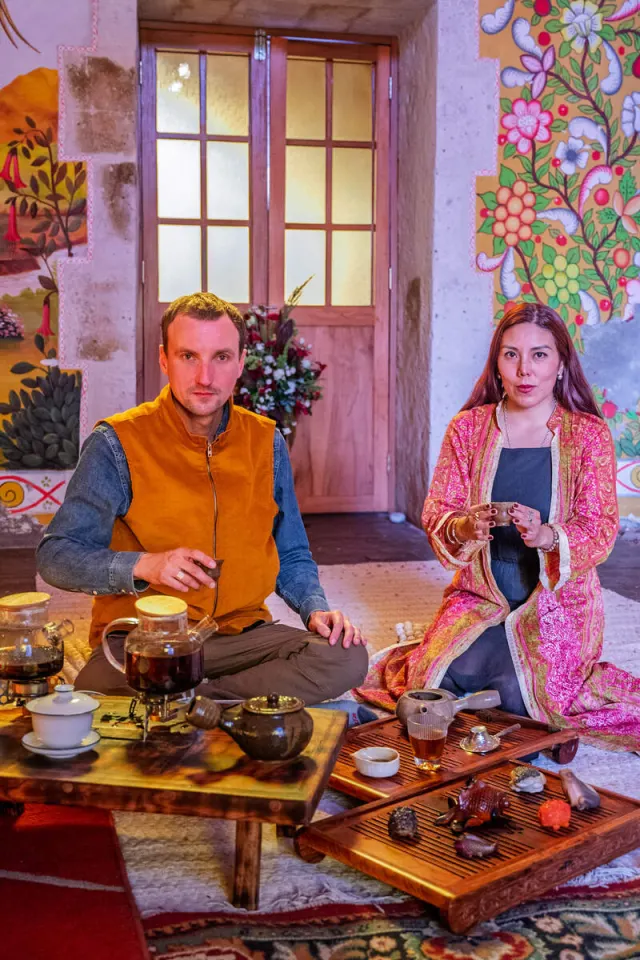
There are two of us — a Russian and a Peruvian — and this is our tea house in Písac, Callao 200. He came from Moscow with twenty-five years of tea behind him; she is from Arequipa and came to tea through a cup she could not explain to herself.
Who we are: Chamante and Madame Teina
There are two of us — a Russian and a Peruvian — and this is our tea house in Písac, Callao 200. He came from Moscow with twenty-five years of tea behind him; she is from Arequipa and came to tea through a cup she could not explain to herself.
Here: delivery across Peru, free from S/ 150. Pickup at the Písac tea house.
Do you sell loose?
Yes: 8 g sample, 30 and 50 g packs, wholesale from 250 g per tea.
How do I pay?
By Yape, Plin or bank transfer once the amount is confirmed on WhatsApp; cash if you pick up.
Can I return tea?
Tea is food, no returns. That's why there's a S/ 12 sample — so you don't risk a pack.
Is there gift packaging?
The sets of three and nine samples are already a gift. Card and wrapping — ask in the order comment.
Brewing
What water temperature?
White and green — 75–80 °C, oolong — 90–95 °C, red, pu-erh and hojicha — 95–100 °C, matcha — 75 °C. Boiling water kills green and white.
How many spoons and how many minutes in a mug?
5 g (two teaspoons) per 250 ml, 3–4 minutes. The second time — a minute longer.
How many times can the leaf be brewed?
In a mug 2–3 times, in a gaiwan 5–10 infusions. A tea bag — once.
What is gongfu cha and do I need a gaiwan?
Lots of leaf, little water, short infusions: 7 g per 150 ml, 20–40 seconds. A gaiwan is most convenient, but a small teapot works too.
Can I use a thermos?
Yes: 8–10 g per litre, 95 °C, from 15 minutes. Green and white — just not with boiling water.
What water?
Soft, chlorine-free: filtered or bottled. Hard water makes tea flat.
Storage
How do I store tea?
A sealed tin or zip bag, away from light, smells and moisture. Matcha — in the fridge.
How long does it keep?
Green and white — a year, oolong and red — two, pu-erh — years and only gets better. Matcha — six months after opening.
Has the tea 'gone off'?
Leaf doesn't go off, it fades: less aroma. Pu-erh, on the contrary, matures.
Health and care
Which tea for the evening / for sleep?
The softest are white and hojicha; a cup after dinner is normal. For the evening and before bed we have Red GABA oolong.
Is it OK during pregnancy?
Ask your doctor: we do not give medical advice.
Any contraindications?
Not at night, not by the litre, carefully with high blood pressure or insomnia. Green tea on an empty stomach can irritate — drink it after food.
Which tea for weight loss?
No tea makes you lose weight, and we promise no results. Unsweetened tea instead of sugary drinks — yes, that helps habits; for the rest, ask your doctor. What we do promise: taste, energy and ten infusions from one spoon.
What is green tea good for?
So that it tastes good. Everything written about its benefits we have not verified and do not promise.
Does tea constipate?
Strong tea, especially red and pu-erh, contains tannins — in large amounts it can. Brew it shorter and drink it after food.
Who shouldn't drink green tea?
On an empty stomach it irritates; with anaemia, not with meals — tannins hinder iron; with insomnia, not after 4 pm. The rest — your doctor.
Tea for altitude in Cusco?
For altitude sickness in Cusco people drink mate de coca — that's a herb, we don't have it. Our tea is for taste; at altitude just drink more water and any warm drink.
Types of tea
Té rojo, té negro, té azul — what are they in our terms?
In Peru 'té rojo' is pu-erh, 'té negro' is red, 'té azul' is oolong. We use the Chinese names: white, green, oolong, red, pu-erh.
How does red differ from black?
Not at all: in China it's called red after the colour of the liquor, in Europe black after the colour of the leaf.
Sheng and shu pu-erh — what's the difference?
Sheng matures on its own for years, light and complex; shu is aged at the factory, dark and dense. Shu is the easier place to start.
What is oolong?
Partly oxidised leaf: from floral Tie Guan Yin to roasted Da Hong Pao. Holds 7 infusions.
What is a blend?
A mix of teas or a tea with additives. We keep pure teas — one bush, one place, one harvest.
Loose leaf or tea bags?
Whole leaf brews 3–7 times and costs less per cup; a tea bag holds dust and brews once.
What types of tea are there?
Six: white, green, yellow, oolong, red, pu-erh (and heicha). All are leaf from the same bush; the difference is in the processing. In detail — the 'What Chinese tea is' page.
Green with lemon — is that OK?
Yes: lemon and ginger go well with green and red. With oolong and pu-erh, better without additions — there the whole point is the leaf's taste.
Matcha
What is matcha?
Green leaf grown in the shade and ground to powder. You drink the leaf itself, whisked with water.
Ceremonial and culinary — what's the difference?
Ceremonial is the first harvest, sweet, for straight matcha and lattes. Culinary is bitter, for baking; we don't carry it.
How to make it without a whisk?
2 g and 70 ml of water at 75 °C in a jar with a lid, ten seconds of shaking.
Iced matcha latte?
2 g, 50 ml of water, whisk, ice, 150 ml of cold milk.
What is hojicha?
Roasted green tea: caramel and nut. An evening latte.
What does matcha taste like?
Sweet umami, grass, cream — if it's ceremonial and the water isn't boiling. Bitterness means culinary grade or water at 90 °C or above.
Matcha from Costco, Amazon, Inkafarma — what's the difference?
Usually culinary grade or a blend with sugar. Compare the colour: ceremonial is bright green, culinary is olive.
Peruvian tea
Does tea grow in Peru?
Yes: the bush arrived a hundred years ago in La Convención, near Cusco — Huyro and Huayopata. That's where we source the leaf.
How does Peruvian differ from Chinese?
The same bush, different altitude and air: Peruvian green is grassier, the red is stronger. A sample is the best way to compare.
And manzanilla, muña, hierba luisa?
Those are herbs, not tea: we don't have them. There's a 'Looking for herbs?' block — there we pick the leaf for the same purpose.
Teaware
Gaiwan or teapot?
The gaiwan is for infusions and for seeing the leaf; the teapot is more familiar. Beginners we recommend a 120–150 ml gaiwan.
Does a glass teapot work?
Yes, for green and white — you see the leaf beautifully. For pu-erh and oolong, better clay or ceramic: it holds the heat.
Do I need a chasen for matcha?
For foam — yes, 80 prongs. Without it, a jar and shaking; the foam is finer.
What does the number on the teaware mean?
The number lets you ask price and availability on WhatsApp without describing the piece.
Teaware and accessories
Gaiwans, chahai, cups and boards for loose-leaf tea — and chawan, chasen, chashaku for matcha.
All teaware
By section: cups, teapots, gaiwans, shiboridashi, chahai, matcha bowls and porcelain. All handmade.
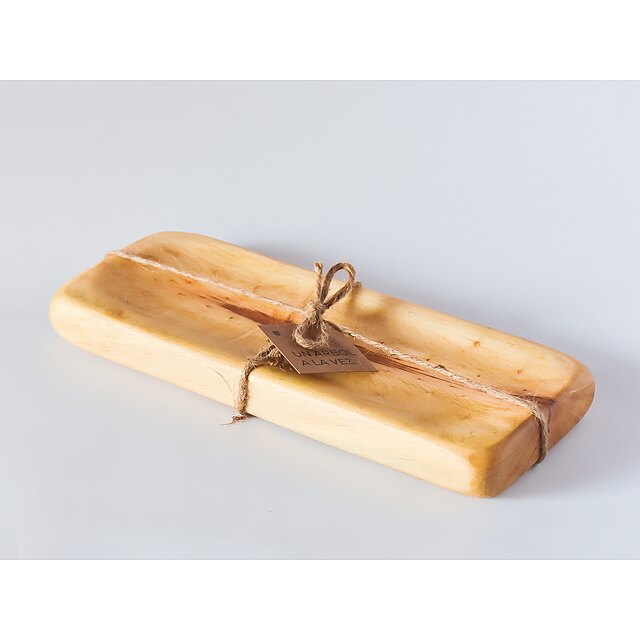
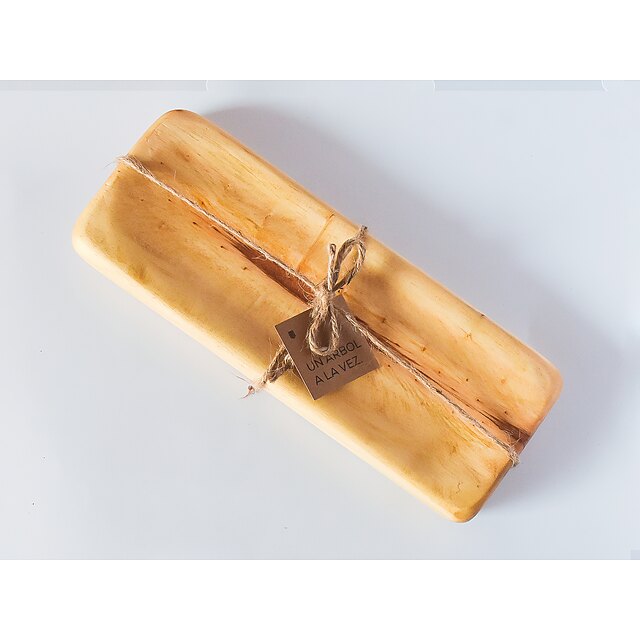
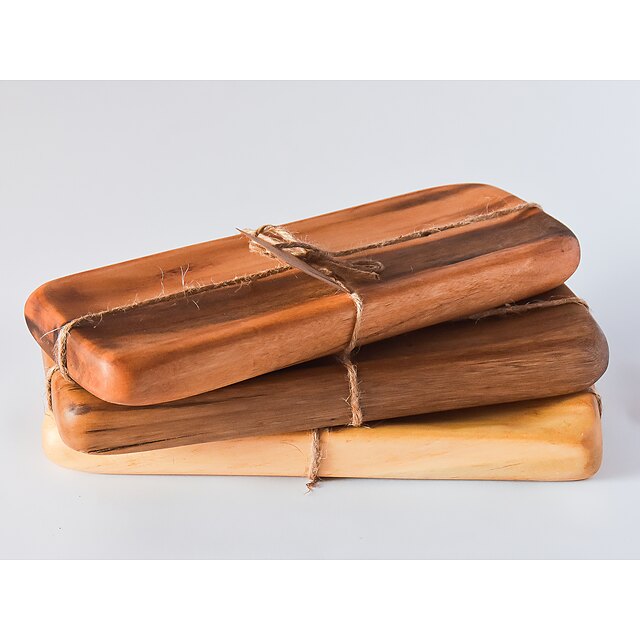
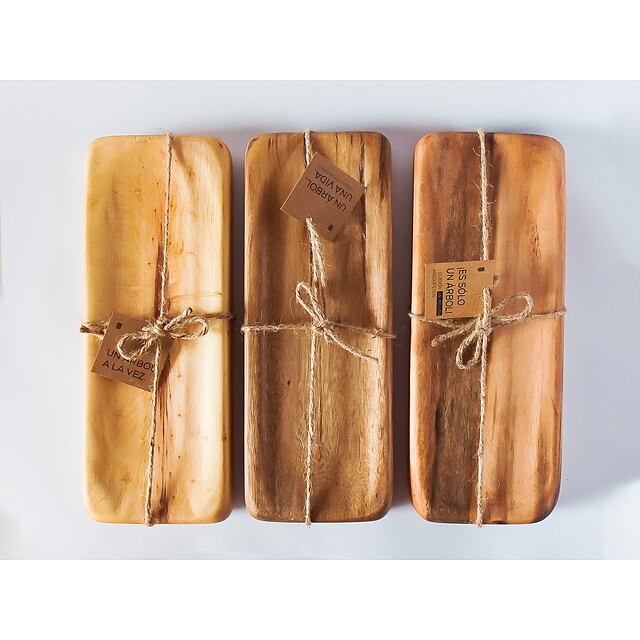
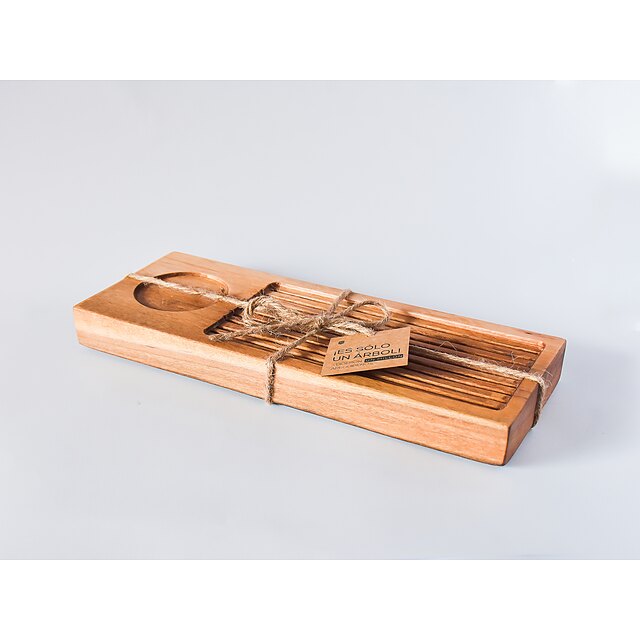
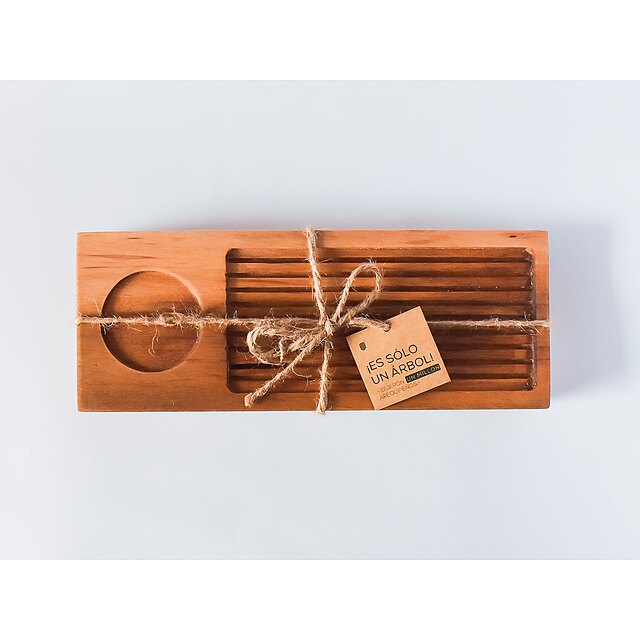
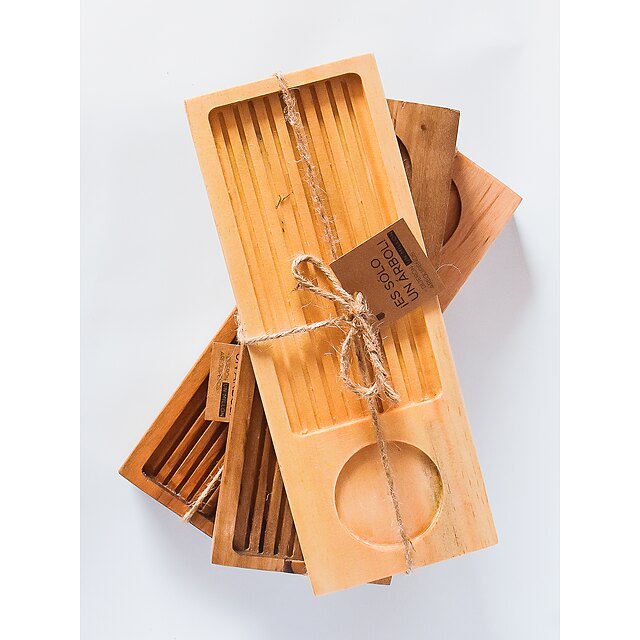
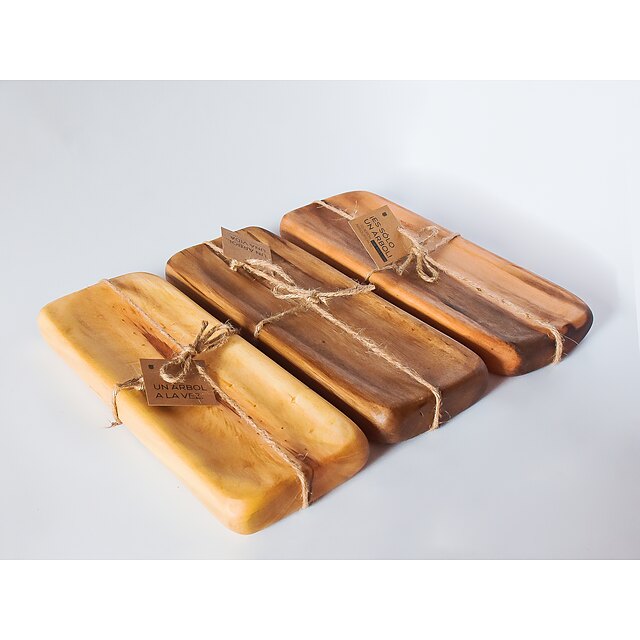
Tea trays
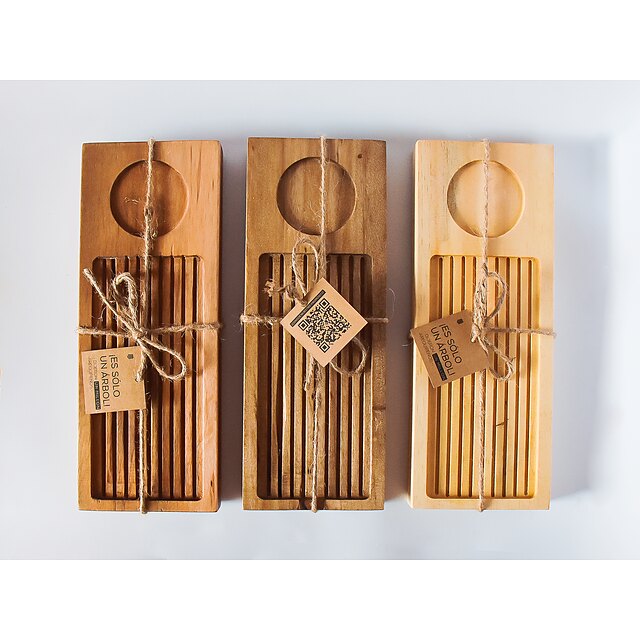
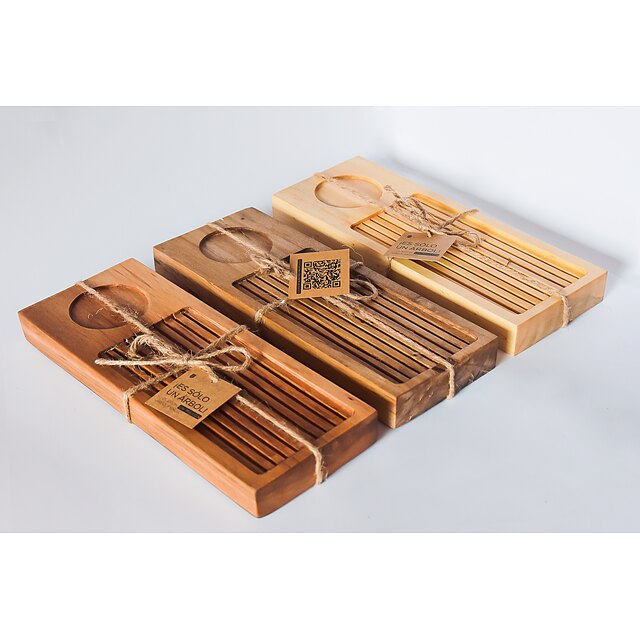
We make the trays ourselves. Two sizes, large and small; which one you get we tell you on WhatsApp.
Large trayS/ 220
Small trayS/ 180
Draft sizes: small 20 × 8 cm, large 30 × 8 cm.
Accessories for the Japanese tea ceremony
Chawan, chasen and chashaku — bowl, whisk and measuring scoop. Bought together with matcha.