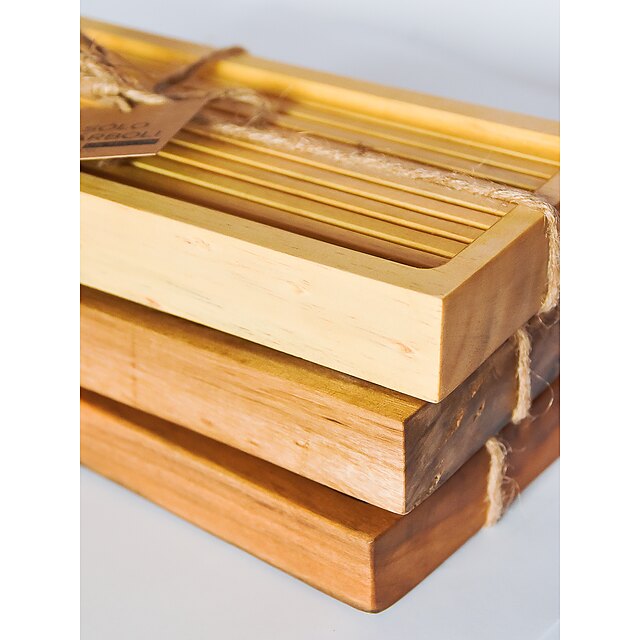
Pu-erh — sheng and shu
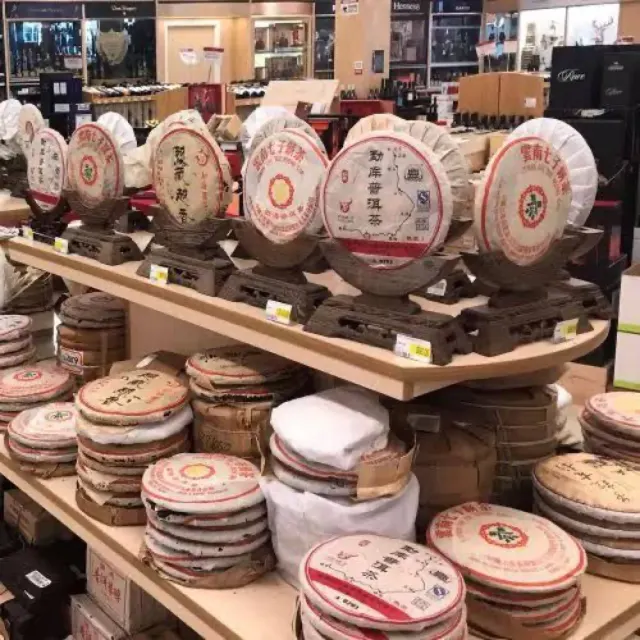
Two pu-erhs on the shelf: young sheng and aged shu. A pressed cake is broken with a knife, loose leaf is taken with a spoon.
5.0 ★ on Google — 76 reviews
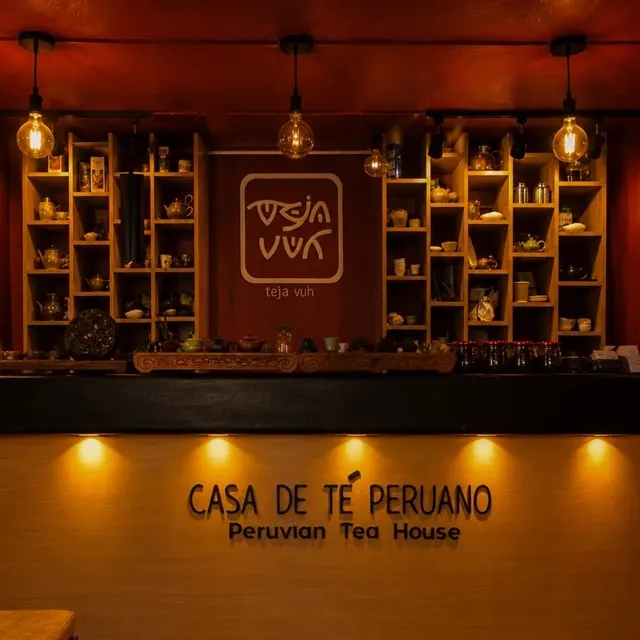
Welcome to our tea house in Písac, Sacred Valley: thermos tea is on us during opening hours, no booking needed. The tea menu is paid and ceremonies are by appointment. You can also pick up your order here.
Callao 200, Písac · 09:00–19:00, closed Mondays
See the teasNine teas · China and Peru
Pu-erh
Two pu-erhs on the shelf: young sheng and aged shu. A pressed cake is broken with a knife, loose leaf is taken with a spoon.


Red tea: leaf oxidised all the way
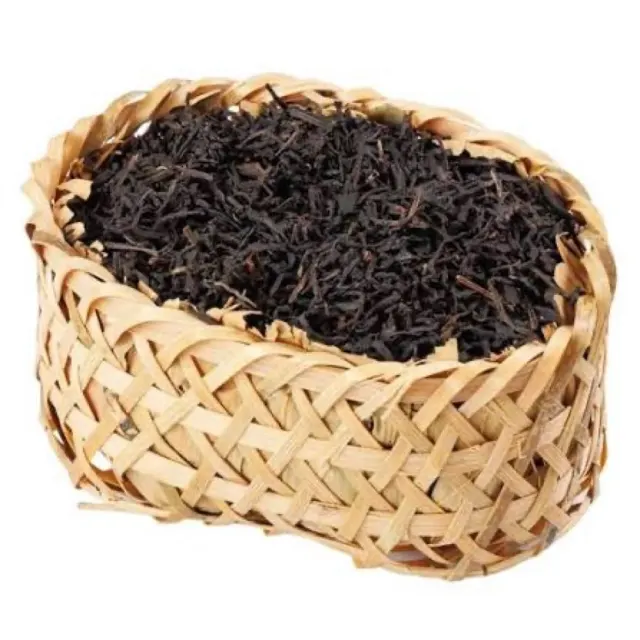
The leaf is left to oxidise to the end — which is why the liquor comes out dark amber and the taste goes to honey, cocoa and dried fruit. In Europe this tea is called black; in China, red, after the colour of the infusion. It is the same tea.
Nothing like the tea bag you know from breakfast. That is broken leaf and dust, giving everything at once and turning bitter if you look away; this is whole leaf, and one spoonful gives three or four cups that keep changing.
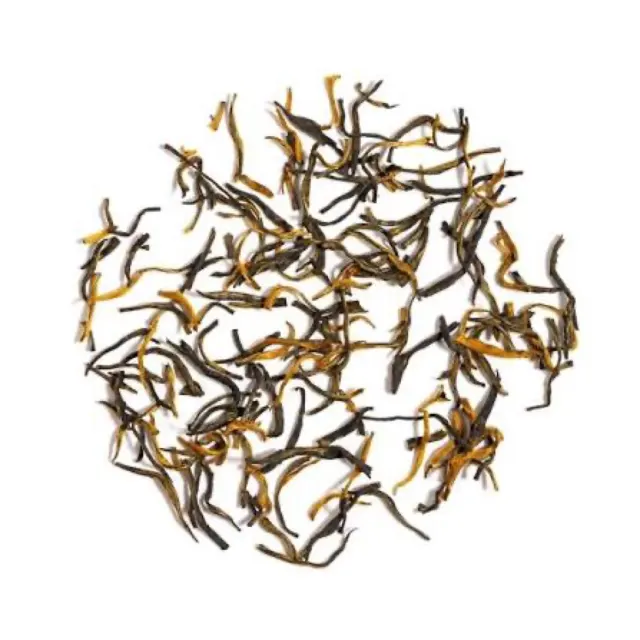
We keep seven reds. From Fujian, Jin Jun Mei, made of buds alone, sweet and honeyed, and Lapsang Souchong, smoked over pine — the strangest of them all and the one people argue about most. From Yunnan, Caracol de Oro, hand-rolled. From Taiwan, Ruby 18, with a mint-and-cinnamon note like nothing else. And three Peruvians from Huyro, Cusco: Puma Rojo, Vicuña Roja and Red Llama, strong and sweet, from the mountains next door.
Red is the morning tea and the only one that takes milk well. If you want something softer, look at oolong; if you want something for after a meal, go down to pu-erh.
Water90–95 °C
Honey, cocoa, dried fruit
Whenmorning, with breakfast
On the shelf7 reds and 2 pu-erh
"Red", "black", "pu-erh": which is which
Three names, two teas, and a confusion that came from translating Chinese into English and English into Spanish. Here is the map, in thirty seconds.
In China, red teais this one: fully oxidised leaf, amber liquor. Jin Jun Mei, Lapsang, the Peruvians
In Europe, black teais exactly the same tea. The name changed, not the leaf
In Peru, "té rojo"almost always means pu-erh, from how it was sold here for years
What pu-erh issomething else: Yunnan leaf that ferments over time. Its own type, not a red
In China, black teais hēi chá, fermented and pressed. That one is genuinely "black", and we do not carry it
What we docall each one what it is, and keep both: seven reds and two pu-erh
What red tea is for — and what we do not promise
To start the morning and to drink with food. It is the most straightforward of ours and the only one that takes milk well. On health we promise nothing: tea is food, not medicine.
Tastehoney, cocoa and dried fruit; none of the tea bag's edge
How it drinksplain and direct, the closest thing to coffee in leaf form
Whenmorning and breakfast; if it costs you sleep, do not leave it for the evening
With foodthe best match for bread, cheese and something sweet — which is why Europe always took it with milk
What the leaf holdstheaflavins and thearubigins from oxidation — hence the colour and the body. Composition, not a promised effect
What we do not promiseweight loss, cures, "cleansing the system"
ImportantClaims about properties have not been evaluated by a health authority; tea is a food.
"Red tea for weight loss": where that came from
We do not promise weight loss, from red tea or from pu-erh. And since it is why many people arrive here, it is worth saying where the reputation started.
For years pu-erh was sold in Peru under that name and that promise, in boxes and tea bags. The Chinese habit of drinking it after a heavy meal is real; the jump from there to "loses kilos" was made by advertising, not by the leaf.
What you can check for yourself: tea without sugar adds no calories. A cup instead of a soda or a frappé takes sugar out of your day, and that is arithmetic. It also sits well after food, which is exactly when people snack most.
If someone sells you tea by naming kilos, do not trust it — not the tea, not the seller. We sell flavour and a named origin, plus a sample so you can try before buying a bag.
With milk, with lemon, or on its own
Red is the only one of our teas that takes milk well. With the others, better not.
With milk
Brew it stronger than usual — a heaped teaspoon and a half per cup — because milk flattens the flavour. A full-bodied red like Puma Rojo or Vicuña Roja holds up; bud-only Jin Jun Mei gets lost, and that is a waste.
With lemon
In the cup and at the end, never in the pot. Acid lightens the colour instantly — that is normal, nothing has gone wrong. Half a slice is enough.
On its own, as in China
Nothing added. That is where you hear the honey in Jin Jun Mei, the smoke in Lapsang, the mint in Ruby 18. If this is your first loose red, taste it plain before deciding.
Note
Smoked Lapsang Souchong splits everyone: people either fall for it or leave the cup. If you like mezcal, peated whisky or smoked fish, it is yours.
Pu-erh: the tea that matures
From Yunnan, and the only one that improves with age. Sheng matures on its own, slowly, growing more complex; shu goes through an accelerated fermentation at the factory and comes out dark, dense, "earthy". Both are drunk after food.
Shu is the easy pu-erh: never bitter, never sour, and forgiving of brewing mistakes. Young sheng is sharper and more astringent, and it is the one people keep for years to see what it becomes. If you have never had pu-erh, start with shu.
Brew it with very hot water, 95–100 °C, in short infusions: a quick rinse that you discard, then 20–25 seconds each time. It holds ten rounds without trouble. If it comes out bitter, you left it in too long — that is the clock, not the leaf.
This is the tea Peru usually calls "té rojo", and the one that was sold with weight-loss promises. We promise no results: we promise flavour, warmth after a meal, and ten infusions from a single spoonful.
Water95–100 °C
Ten infusions
Whenafter meals, evening
On the shelfsheng and shu
All tea comes from one plant: Camellia sinensis
The type of tea is set not by the plant variety but by the technique: how long the leaf oxidised, how that was stopped, how it was rolled, roasted and aged. The same leaf becomes white or pu-erh: the difference is the master's hands and the hours. Tap a type and we'll show what's on the shelf.
fresh leaffully oxidised and aged
Build your set
Ready sets of three samples — or build your own. A set costs less than buying separately.


Or build your own
Samples are different teas on one table: China, Taiwan and the Cusco valley.
One evening, one gaiwan, and you know which tea is yours without buying full bags.
Three samples: 5 % off; six: 10 %.
Ready sets with one tap:
Chinese tea
Two matchas and hojicha
Two matchas — matcha and ceremonial matcha — and hojicha for the evening. The ceremonial matcha is sweeter and more finely ground; the matcha is for every day, milk included.
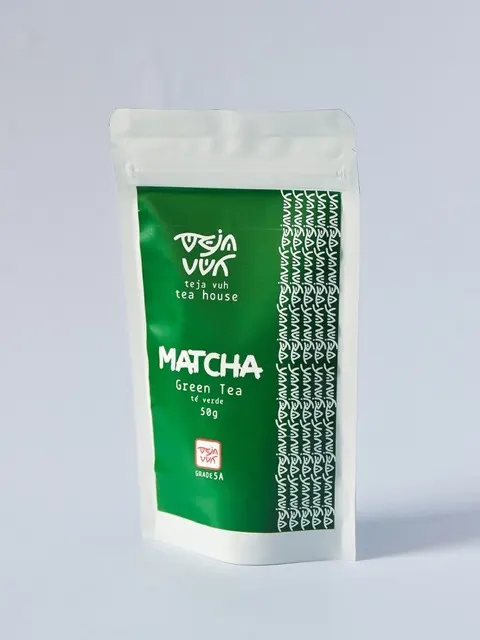
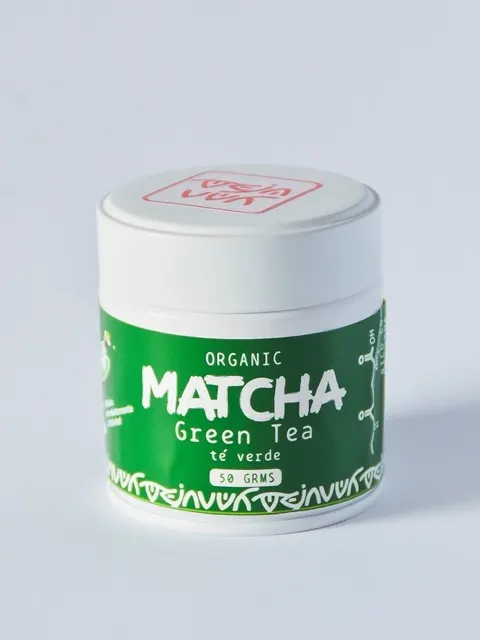
What matcha is made with
Bowl, whisk and scoop — handmade by us. Each piece carries its own number.


Accessories for the Japanese tea ceremony
Chawan, chasen and chashaku — bowl, whisk and measuring scoop. Bought together with matcha.
Teaware
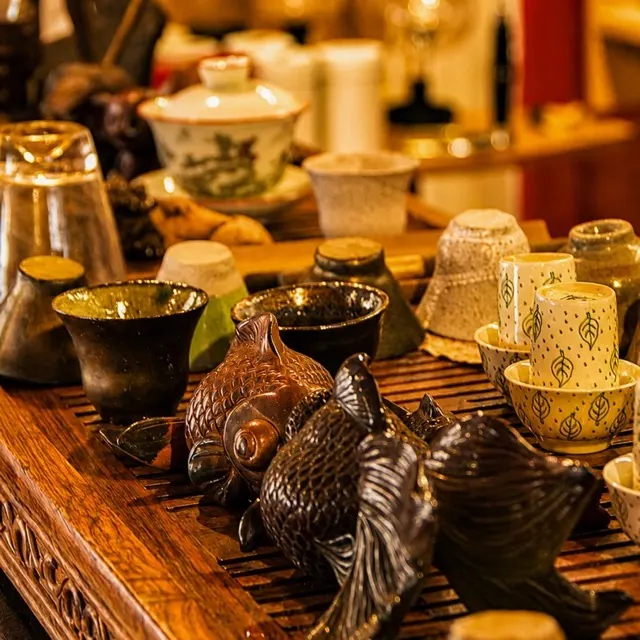
Handmade by us: cups, teapots, gaiwans, shiboridashi, chahai, matcha bowls and tea pets. Every piece has its number.


Looking for manzanilla, muña or hierba luisa?
We don't have them — and we say so plainly. We keep tea leaf: white, green, oolong, red, pu-erh. Tell us what you wanted the herb for and we'll pick the leaf that does the same, only tastier.
What did you want the herb for?
instead of manzanilla
White tea: soft, honeyed — a tea for the evening.
Santa Paca — white leaf from Cusco. Water at 80 °C, three minutes, can be brewed twice.

instead of emoliente, boldo
Pu-erh: dark, dense, 'earthy' — what people in China drink after a heavy meal.
Shu pu-erh is never bitter or sour; 12 g lasts a week of dinners.
instead of muña
Floral oolong: fresh, energising without jitters, seven infusions from one spoon.
Tie Guan Yin is the most recognizable oolong, with a lilac note.
instead of hierba luisa
Green leaf from the Peruvian highlands: fresh, grassy, with a lemon note.
Pacha Alpaquita — green from Cusco. Water at 80 °C, never boiling.
instead of mate de coca
Peruvian red: strong, sweet, from the Cusco mountains — for the morning.
Vicuña Roja — red leaf from Cusco; wakes you up like coffee, without the edge.
It's not a herb — it's leafCamellia sinensis: herbs are brewed once, tea leaf holds several infusions.
Sample from S/ 12Less than a cup of coffee. If you don't like it, you've lost S/ 12, not a whole pack.
Brewing is easier than it looksA mug, a spoon of leaf, water below boiling. Temperature and time are on the packet.
We confirm your order on WhatsApp
Delivery across Peru or pickup in Písac — whichever suits you.
Put your order together
Tick the teas and sizes: the list goes off in a single message and you fill in nothing.
We confirm and you pay
A person confirms availability. You pay by Yape, Plin or bank transfer; cash on pickup.
What comes with your order
Two conditions, and both are simple.
A free sample with your first order
If this is your first order with us, we add a sample on top. No need to choose it — we pick it for you.
Free delivery from S/ 150
An order from one hundred and fifty soles ships across Peru at our cost. Below that, delivery is S/ 20.
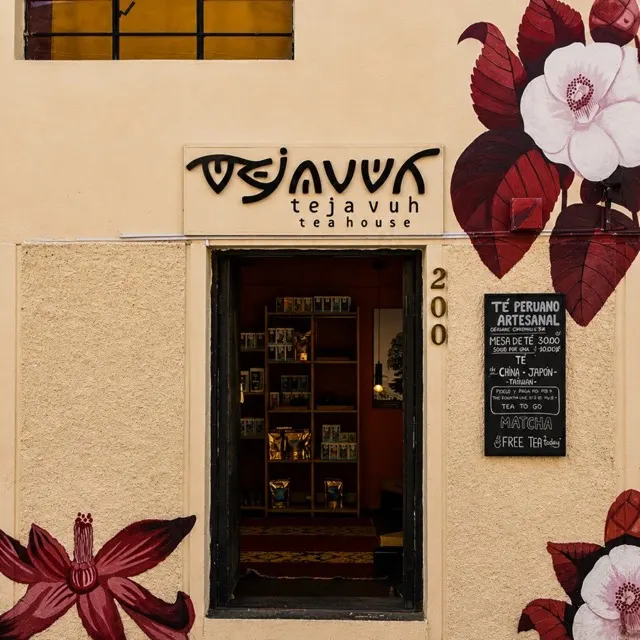
Our tea house in Pisac
Sacred Valley, Callao 200. You can come without booking and drink any tea from the menu: we will tell you how to brew it and what makes it different. Tea from the thermos is on us during opening hours. Ceremonies are by appointment. You can also pick up your order here.
AddressCallao 200, Písac 08106
Hours09:00–19:00, closed Mondays
Tea menupaid and no booking needed: come and drink any tea, we explain the brewing and the differences
Tea from the thermosfree, during opening hours
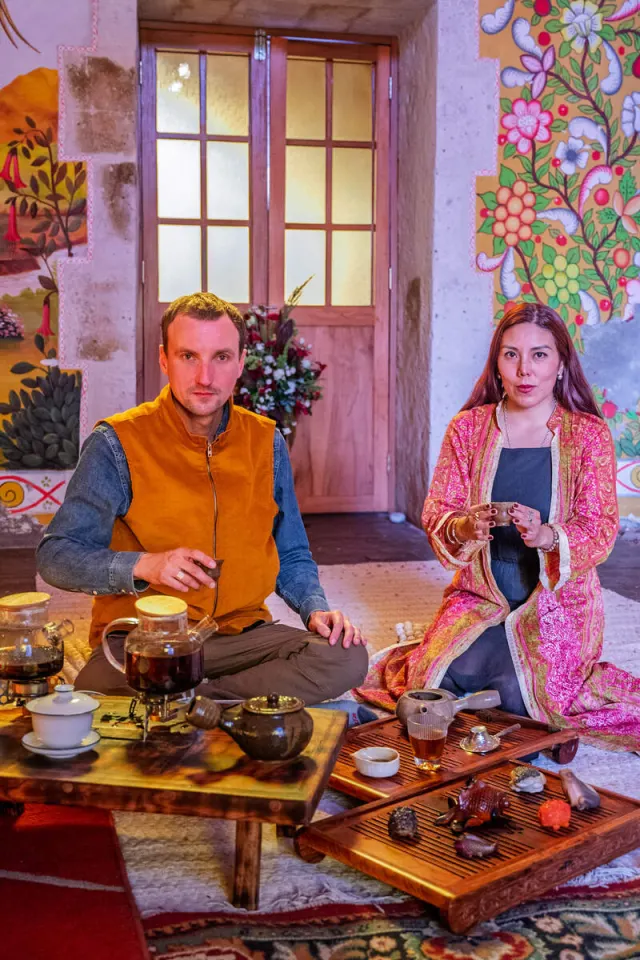
Ceremoniesby appointment: gongfu cha and pin cha tasting
Eventstea evenings and gongfu cha ceremonies; the calendar is on Instagram. At open events there is sometimes a free tasting.
Pickuppick up your order right here, no delivery
Rating5.0 ★ · 76 Google reviews



What people ask before ordering
Six answers to the doubts that most often stop the click.
How to order
Build your order and send the list on WhatsApp in one message: we confirm availability, you pay after.
How much is delivery
Courier across Peru: Cusco S/ 12, Lima S/ 18, other regions S/ 20. Free delivery from S/ 150. Pickup in Písac — free.
Can I pick it up myself
Yes, at the tea house in Pisac: Callao 200, 09:00–19:00, closed Mondays.
What if I don't like the tea
Tea is food and can't be returned. That's why there are S/ 12 samples — so you don't risk a whole pack.
Do you have herbal teas
We keep tea leaf, not herbs: no manzanilla, muña or hierba luisa. For something gentle, take white or oolong.
Do you have a complaints book
Yes, the Libro de Reclamaciones is a separate page.
For cafés, restaurants, apartments, shops — and business owners
Distribution prices on leaf, matcha and utensils. Chinese classics, Peruvian tea, matcha and utensils — from a single supplier.
Tea your neighbours don't have
Peruvian leaf from Cusco on the drinks menu — something your guest has almost certainly never tried.
One supplier instead of three
Chinese classics, Peruvian tea, matcha and teaware come from one person: one invoice, one delivery.
Service and teaware
Gaiwans, teapots and cups for your service — some handmade, from our own workshop.